RismadarVoice Reporters, May 6, 2026
The United States military on Tuesday carried out another deadly strike on a vessel suspected of drug trafficking in the eastern Pacific Ocean, killing three men, in what officials describe as an ongoing campaign against “narcoterrorism” in Latin America.
The latest operation, confirmed by U.S. Southern Command, came just a day after a similar strike in the Caribbean Sea that left two people dead, underscoring a renewed tempo in maritime attacks targeting suspected smuggling routes.
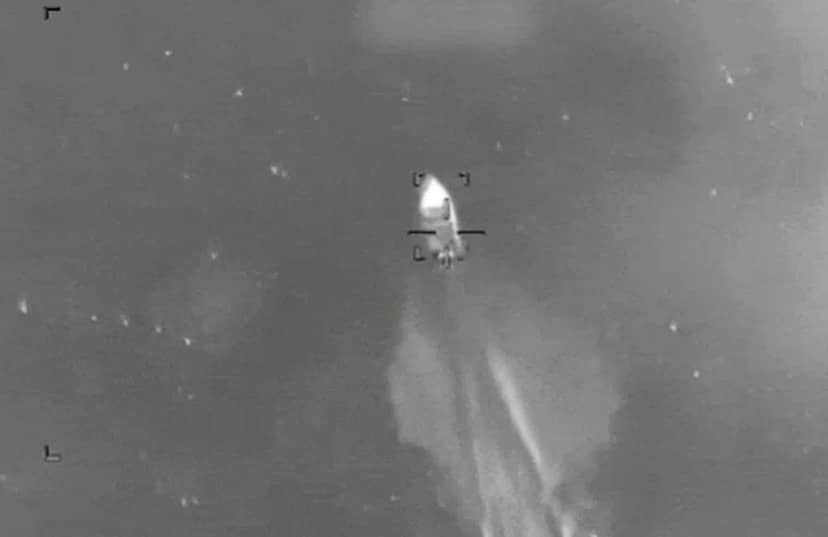
According to the military, the targeted vessel was operating along known trafficking corridors. Footage released by Southern Command showed a small boat moving across open waters before being engulfed in a powerful explosion.

The strikes are part of a broader security initiative launched by the administration of Donald Trump, which has framed drug cartels in the Western Hemisphere as terrorist threats. Since the campaign began in September, at least 191 people have been killed in dozens of similar operations across the Caribbean and eastern Pacific, according to official figures.
Despite simultaneous global military commitments, including tensions linked to Iran, the United States has increased the pace of these operations in recent weeks, signalling sustained focus on curbing narcotics flows into the country.
President Trump has repeatedly described the situation as an “armed conflict” with transnational cartels, arguing that the strikes are necessary to combat drug trafficking and reduce overdose deaths in the United States.
However, the campaign has drawn mounting criticism from human rights advocates and some lawmakers, who question both its legality and effectiveness. Critics note that the U.S. military has not publicly presented concrete evidence showing that the targeted vessels were actively carrying drugs at the time of the strikes.
Legal experts and advocacy groups have characterised the operations as potential “extrajudicial killings,” arguing that the use of lethal force in such contexts may violate international law, particularly when suspects are not posing an immediate threat.
The lack of transparency surrounding the identities of those killed, the intelligence used to justify strikes, and the operational details has further fueled concerns in Washington and beyond.

The maritime strikes coincided with an expanded U.S. military presence in Latin America and followed a high-profile operation earlier this year that led to the capture of Venezuelan leader Nicolás Maduro, who now faces drug trafficking charges in the United States and has pleaded not guilty.
While U.S. officials maintain that the campaign is disrupting criminal networks, analysts say questions remain about whether the strategy is significantly reducing the flow of narcotics or merely shifting trafficking patterns.