

RismadarVoice Reporters, April 25, 2026
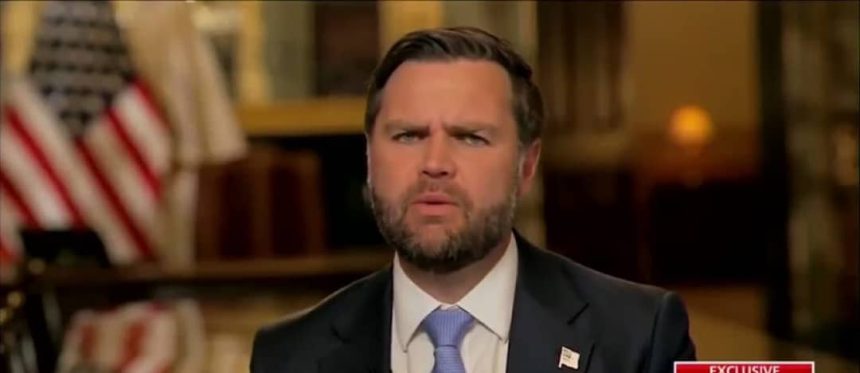
U.S. Vice President JD Vance has revealed how President Donald Trump surprised European leaders by placing an unplanned late-night call to Russian President Vladimir Putin, bypassing traditional diplomatic protocols.
Speaking about the encounter, Vance described the moment as a break from conventional statecraft, noting that the call was made at about 1 a.m. Moscow time without prior scheduling or preparation.
According to him, the decision followed what he termed a productive meeting with European allies, after which Trump abruptly announced his intention to contact Putin directly.
“It was like one in the morning Moscow time, and they had no anticipation,” Vance said. “The president said, ‘We’ve had a pretty good meeting. I’m going to call Vladimir Putin and see what he says.’”
Vance recounted that European officials initially assumed the call would be arranged through formal diplomatic channels at a later date. However, Trump insisted on immediate engagement, reportedly asking for the time in Moscow before instructing aides to place the call without delay.
The Vice President praised Trump’s approach, describing it as decisive and results-driven. He said the President’s willingness to bypass layers of protocol reflects a leadership style focused on direct outcomes rather than procedural formalities.
“You had a lot of Europeans who were saying there needs to be proper vetting and preparation,” Vance said. “But the president was clear that if he wants to talk to someone, he will do so directly.”
The account underscores a broader shift in U.S. diplomatic posture under the Trump administration, favouring personal engagement between leaders over structured negotiations managed by diplomatic teams.
Vance also linked the unconventional outreach to what he described as renewed dialogue between Russia and Ukraine, suggesting that direct engagement had helped move discussions forward.
He claimed that both sides are now discussing specific conditions that could lead to a cessation of hostilities in the ongoing conflict between Russia and Ukraine.
“Now we have the Russians talking to the Ukrainians. We’ve made more progress in three months than the country has made in three years,” he said.
While the remarks highlight a bold diplomatic style, analysts say such unscheduled leader-to-leader contact may raise concerns among allies accustomed to coordinated international engagement.
European governments have traditionally emphasised structured diplomacy, including pre-call briefings and consensus-building, particularly on sensitive geopolitical issues involving Moscow.
The White House has not released official details of the call or its immediate outcomes, and there has been no confirmation from the Kremlin regarding the timing or substance of the conversation.
Nonetheless, Vance’s account offers a rare glimpse into the administration’s approach to high-stakes diplomacy, one that prioritises speed and direct communication in dealing with global conflicts.