


RismadarVoice Reporters, May 6, 2026
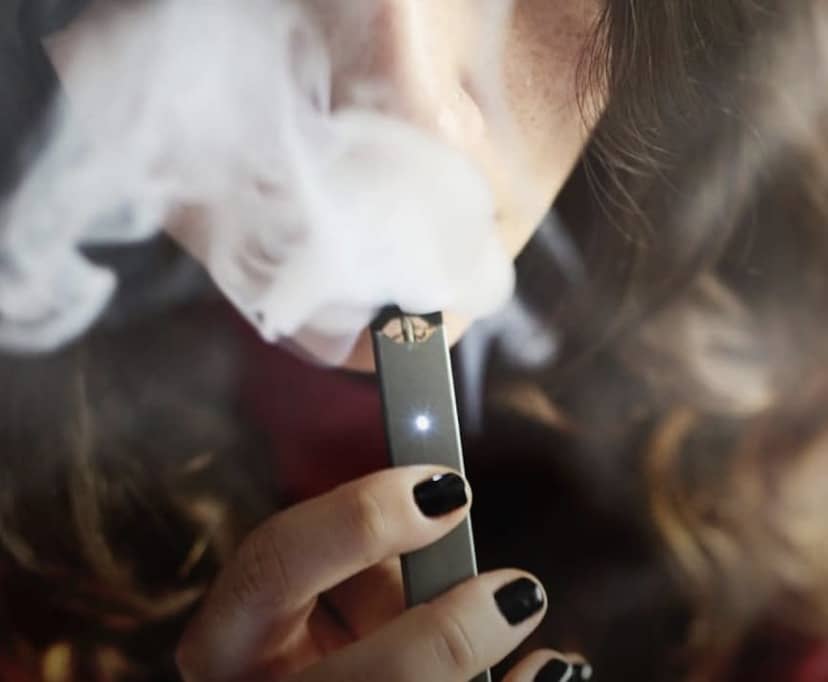
The Food and Drug Administration on Tuesday authorised the sale of fruit-flavoured electronic cigarettes for the first time, marking a significant policy shift after sustained lobbying from the vaping industry and appeals to Donald Trump.
The move is expected to draw sharp criticism from public health advocates and parent groups, who have long argued that flavoured vaping products fuel underage nicotine use. However, regulators signalled that declining teen vaping rates and industry pressure influenced the decision to ease restrictions.
The newly authorised products, manufactured by Los Angeles-based Glas Inc., include mango and blueberry flavours, alongside two menthol variants. The company plans to market them under the names Gold, Sapphire, Classic Menthol and Fresh Menthol, according to an FDA statement.
Until now, the FDA had limited approvals largely to tobacco- and menthol-flavoured e-cigarettes, with major players such as Juul and Altria dominating the authorised market.

Despite the shift, the agency emphasised that the decision does not constitute an endorsement of vaping products. Officials reiterated that the devices are intended strictly for adult smokers seeking to quit or reduce traditional cigarette use.
“The authorisation is based on evidence that these products could provide a benefit to adult smokers,” the FDA said, while cautioning that risks remain particularly for youth.
To address concerns about underage access, the agency pointed to Glas Inc.’s digital safeguards. The system requires users to verify their age authorized government-issued identification on a smartphone, and the device can only function when paired via Bluetooth with that verified phone.
Public health groups remain sceptical. Kathy Crosby of the Truth Initiative described the decision as “a key test case” for regulators.
“Ultimately, we must remain vigilant in protecting young people,” Crosby said, stressing the need for close monitoring of how the products are used.
E-cigarette manufacturers have long argued that vaping can reduce the toll of smoking, which is responsible for roughly 480,000 deaths annually in the United States due to cancer, heart disease and lung conditions. But those claims have been overshadowed by years of rising use among middle and high school students.
Under Joe Biden, the FDA rejected more than one million applications for fruit- and candy-flavoured vaping products as part of a crackdown credited with reducing teen usage following a spike in 2019. During his earlier presidency, Trump imposed initial flavour restrictions and raised the legal age for tobacco purchases from 18 to 21.
More recently, however, tobacco and vaping policy has taken a back seat under FDA Commissioner Marty Makary, whose agenda has focused on issues ranging from COVID-19 vaccines to food additives and drug approvals.

Industry groups, including the Vapour Technology Association, have intensified lobbying efforts in recent months, urging regulators to reconsider flavour bans. In March, the FDA issued its first formal guidance on flavours, suggesting that certain options such as menthol, mint and coffee may help adult smokers transition away from combustible cigarettes, while warning that sweeter flavours pose higher risks for youth appeal.
Government data shows that most U.S. teens who vape still use unauthorised fruit- and candy-flavoured products, which remain widely available through inexpensive disposable brands, often imported from China.