

RismadarVoice Reporters, June 5, 2026
Nigeria has thrown its weight behind the Association of National Olympic Committees of Africa (ANOCA)’s rotational hosting policy following Uganda’s successful bid to host the 2031 African Games.
Uganda emerged as the host nation after benefiting from ANOCA’s regional rotation framework, which aims to ensure the equitable distribution of Africa’s premier multi-sport event across the continent’s regions.
The East African country’s selection was further strengthened by Nigeria’s decision to withdraw from the race, leaving Uganda as the sole contender for the hosting rights.

Nigeria’s support for the policy reflects its longstanding contribution to the African Games movement, having hosted the continental event twice — in Lagos in 1973 and Abuja in 2003. The country joins a select group of nations, including Algeria, Egypt and the Republic of the Congo, that have staged the Games on more than one occasion.
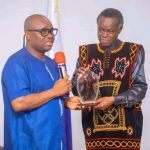
Former Nigerian bid committee chairman and sports administrator, Mainasara Illo, said the decision was consistent with the spirit of fairness underpinning ANOCA’s hosting strategy.
“In 2019, Morocco hosted the Games and four years later it went to Ghana, while Egypt will host in 2027. Considering Nigeria last hosted in 2003, it is only fair that East Africa gets another opportunity to host the continent,” Illo said.
According to him, the last four editions of the Games have been shared between West and North Africa, making East Africa’s case particularly compelling.
East Africa last hosted the African Games in 1987 when Kenya staged the event, meaning the region will have waited 44 years by the time Uganda hosts the 2031 edition.
Illo disclosed that ANOCA initially planned to implement the rotational hosting arrangement in 2035 but later moved it to 2031.
The former broadcaster and sports administrator, who also served on the Local Organising Committee for the 2009 FIFA U-17 World Cup in Nigeria, expressed confidence in Uganda’s ability to deliver a successful Games.

He noted that Nigeria could consider bidding again when hosting rights return to West Africa under the rotation arrangement.
Sports stakeholders have also described Nigeria’s position as a demonstration of commitment to continental development and unity, allowing other regions to enjoy the economic, infrastructural and sporting benefits associated with hosting major international events.
Uganda is expected to use the Games as a platform to accelerate sports infrastructure development, strengthen athlete preparation programmes and showcase East Africa’s capacity to host world-class sporting competitions.