RismadarVoice Reporters
September 20, 2026
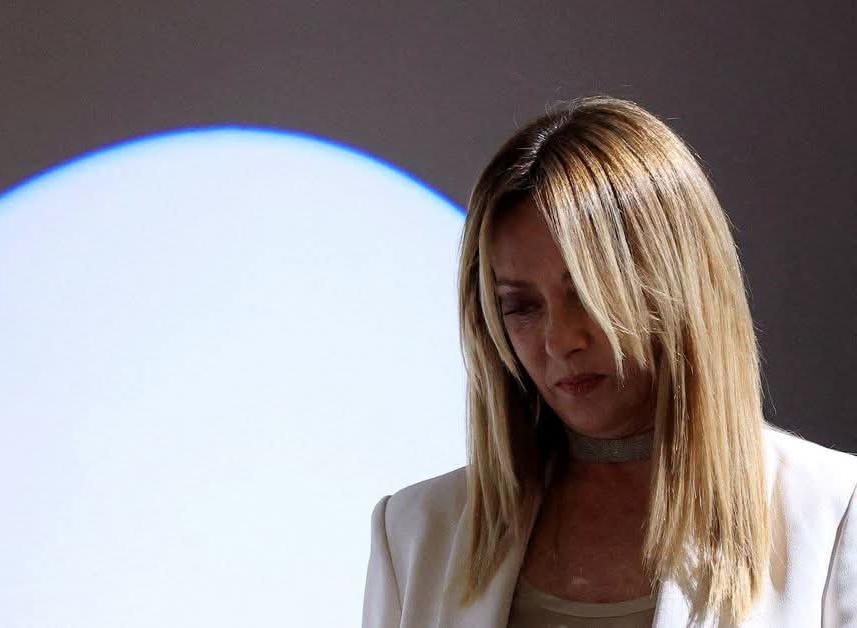
Italian Prime Minister Giorgia Meloni has announced plans to introduce measures banning burqas and niqabs in schools while establishing a maximum number of foreign students permitted in individual classrooms.
Meloni disclosed the proposed measures on Sunday during an annual gathering organised by the youth wing of her Brothers of Italy party.
According to the Prime Minister, the proposals are expected to be presented to the Italian Cabinet as part of the government’s approach to integration within the country’s education system.

Under the planned measures, students would be required to attend school with their faces uncovered, effectively prohibiting face-covering garments such as the burqa and niqab within educational institutions.
The government also intends to establish a maximum number of foreign students allowed in each class, although Meloni did not disclose the proposed limit.
She argued that concentrating large numbers of students who have difficulties speaking Italian in the same classroom could make language acquisition and integration more challenging.
Meloni said a student who does not understand Italian could potentially learn more quickly when surrounded by classmates and teachers who speak the language, but argued that the situation becomes more difficult when a substantial proportion of a class faces the same language barrier.
The proposed policy would also require parents of foreign students experiencing serious difficulties integrating into the school system to learn Italian.
Meloni said students should attend school with their faces visible, maintaining that cultural or religious traditions should not require young women to conceal their faces within Italian schools.

The proposals come amid continuing debate in Italy over immigration, integration, religious expression and citizenship.
Italy’s location along the central Mediterranean migration route has made the country a major destination and entry point for migrants arriving in Europe, keeping immigration policy prominent in national political debate.
Available education data indicate that students without Italian citizenship represent about 11.6 per cent of enrolment in Italian schools, equivalent to nearly 12 out of every 100 students.
The announcement is expected to generate further debate over how Italy balances integration policies with religious freedom, cultural expression and the rights of migrant families.
The proposals have not yet become law and would need to proceed through the country’s required governmental and legislative processes before taking effect.