


RismadarVoice Reporters, August 28, 2026
Iran has agreed to prepare a list of conditions for the reopening of the Strait of Hormuz, as diplomatic efforts intensify to restore normal shipping through the strategic waterway.
The development followed a visit to Tehran by Qatari Prime Minister and Foreign Minister Sheikh Mohammed bin Abdulrahman Al Thani on Thursday, during which he urged Iranian officials to respect freedom of navigation in the strait in accordance with international law.
Mohsen Rezaei, secretary of Iran’s Supreme National Security Council, later said Tehran was preparing conditions for reopening the waterway after mediators requested that Iran state its demands.

Rezaei said Iran and Oman had agreed on a proposed shipping corridor through the strait, with sections of the route passing through Omani and Iranian waters. He said ships would use a designated central channel if the United States met Iran’s conditions.
Iran’s demands in previous negotiations have included an end to the US blockade of Iranian ports, compensation and the removal of sanctions. It remains unclear whether Tehran will modify those demands to make them acceptable to Washington.
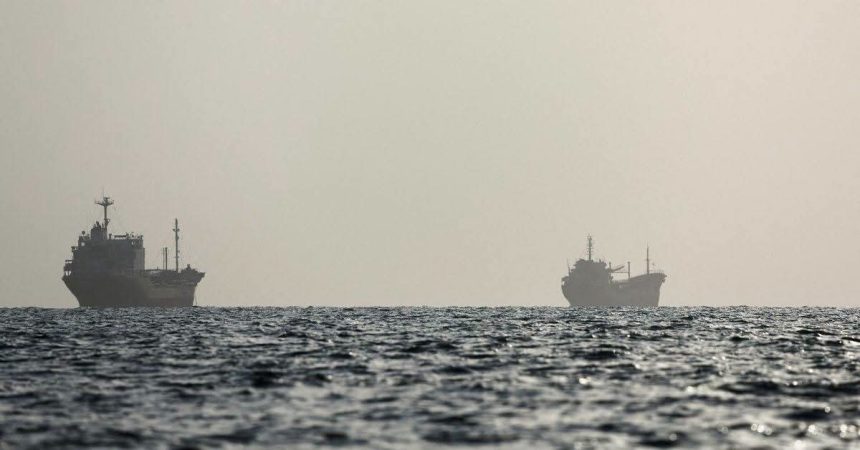
The Strait of Hormuz, located between Iran and Oman, is a major international shipping route through which about 20 per cent of global oil supplies passed before the war.
Following the outbreak of the conflict six months ago, Iran threatened to strike vessels using the strait without its authorisation. The threats significantly reduced maritime traffic and contributed to higher oil prices.
Iran and the United States have had limited direct engagement in recent weeks, with diplomatic efforts increasingly being conducted through third parties.

Iran has continued to call for a return to a memorandum of understanding reached in June that established a ceasefire and provided 60 days for negotiations. The agreement later broke down amid disagreements over Iran’s authority regarding shipping arrangements, with US President Donald Trump subsequently declaring the memorandum no longer valid.
Iran’s Revolutionary Guards said on Wednesday that Iran and Oman had reached an agreement in principle on managing traffic through the strait and sharing revenues. However, an Iranian official later said discussions over the details were continuing.
Meanwhile, US military commanders said American forces had cleared sea mines from the Strait of Hormuz that had allegedly been placed months earlier by Iran’s Islamic Revolutionary Guard Corps.
US Central Command commander Admiral Brad Cooper said international shipping lanes were open and that momentum was building.
According to Cooper, US forces have assisted about 1,500 commercial vessels carrying nearly 750 million barrels of crude oil to pass through the waterway in recent months.
Although Trump has repeatedly said the strait is open, many vessels have avoided the route because of security concerns and Iranian threats. Ship-tracking services have estimated traffic at between 5 and 15 per cent of normal levels.

The International Maritime Organisation has recorded 70 incidents in the Strait of Hormuz since the beginning of the war, resulting in the deaths of 19 seafarers.
The latest diplomatic efforts are focused on establishing conditions that could allow commercial shipping to return to normal operations while addressing Iran’s security and economic demands.