RismadarVoice Reporters
August 28, 2026
Residents of Gaza are increasingly relying on electronic payments to buy food and other essential goods as a severe shortage of usable cash continues to disrupt daily transactions across the territory.
The cash shortage, locally described as a “cash famine”, has been linked to restrictions on the movement of cash into Gaza and extensive damage to the territory’s banking infrastructure during the war.
The Palestine Monetary Authority said Israeli attacks have destroyed more than 50 bank branches in Gaza, along with dozens of cash machines. Significant amounts of cash have also reportedly remained trapped inside the vaults of damaged or destroyed banks.
Although some bank branches reopened following the October 2025 ceasefire, banking services have remained limited, with many residents unable to access electronic banking because identification documents issued during the war are not accepted by some banks.
Residents say the situation has made ordinary purchases increasingly difficult.

Firas Zaqloul, whose home was destroyed during the war, said his Palestinian identity card was buried under the rubble. He said he has been unable to open a bank account or electronic wallet and has instead depended on physical banknotes that are often rejected by traders because they are old or badly worn.
Some residents have resorted to asking relatives to make electronic transfers directly to merchants.
A 23-year-old student, Israa Najm, said she once had to wait for two hours at a clothing shop while her mother transferred money to the shop owner’s account.
She said the identity document she obtained during the war was not accepted by banks, preventing her from using her Bank of Palestine account and electronic wallet.
The lack of reliable internet has further complicated the use of digital payments.
Merchants often require customers to provide SMS confirmation of a completed transaction because banking applications may stop working when internet connectivity is disrupted.
For some residents, accessing the internet has itself become part of the purchasing process.
Businesses providing free Wi-Fi have emerged as informal commercial centres, attracting customers and street vendors who need internet access to complete transactions.
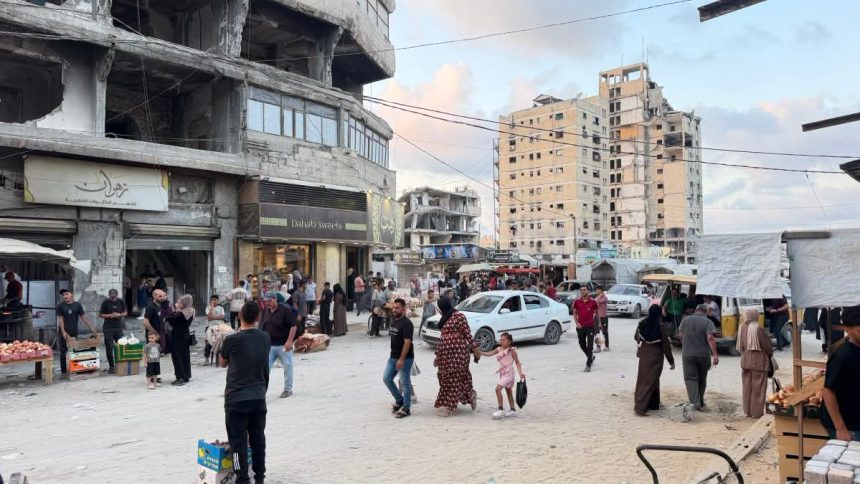
At Bahloul Junction in Gaza City, some vendors reportedly use nearby shops’ internet connections to receive payment notifications.
Fourteen-year-old bread seller Abdul Hadi Abu Shaaban said he does not have a mobile phone and asks customers to transfer payments to his father’s bank account before showing him the transaction confirmation.

The cash shortage has also affected how consumers negotiate prices and conduct business.
Najwa Kahil, a 45-year-old resident, said she struggles to use payment applications because her phone is too old. She sometimes relies on her children to help complete electronic transfers when purchasing food.
Another resident, Mohammed Awida, said buying basic items now requires planning, including charging his phone and ensuring access to different electronic payment platforms because individual merchants may prefer different payment methods.
The situation has created a growing gap between having money and being able to use it.
With physical cash becoming scarce and digital transactions affected by damaged infrastructure, unreliable internet and identification problems, residents and traders continue to face difficulties carrying out routine commercial activities across Gaza.