



RismadarVoice Reporters
October 22, 2026
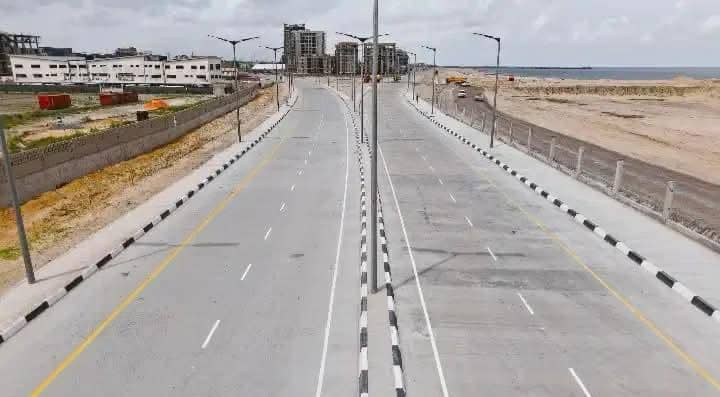
The Bayelsa State chapter of the Nigeria Democratic Congress (NDC) has accused the Federal Government of marginalising the state over proposed adjustments to the Lagos-Calabar Coastal Highway, insisting that the project should follow its original alignment through coastal communities.
The party expressed concern that integrating sections of the highway with the existing East-West Road could deny Bayelsa and other riverine communities the economic opportunities initially associated with the project.
Speaking during a media engagement at the party’s secretariat in Yenagoa, the state Publicity Secretary, Prince Mac-Eke, questioned the Federal Government’s handling of the proposed 750-kilometre highway.
He argued that Bayelsa, as a major oil-producing state, deserved adequate federal investment in transportation infrastructure and should not be excluded from a project designed to improve connectivity across Nigeria’s coastal region.
According to the NDC spokesperson, the Lagos-Calabar Coastal Highway and the East-West Road are separate infrastructure projects that should be developed without allowing one to replace the other.
He maintained that the original coastal alignment would help open up riverine communities, attract investment and address longstanding infrastructure deficits in the Niger Delta.

Mac-Eke also criticised the Bayelsa State Government over what he described as its inadequate response to the controversy.
He questioned whether Governor Douye Diri’s decision to join the ruling All Progressives Congress (APC) had produced the expected benefits in terms of federal projects and development opportunities.
The party further cited concerns about federal seaport development and Bayelsa’s alleged exclusion from President Bola Tinubu’s proposed campaign itinerary as examples of what it considered unequal treatment.
However, the Federal Government has rejected suggestions that the coastal highway has been abandoned or reduced.
Minister of Works David Umahi recently explained that President Tinubu directed the integration of approximately 400 kilometres of the existing East-West Road into the broader coastal highway programme.
Umahi said the decision was intended to address flooding, difficult terrain and engineering challenges affecting transportation infrastructure in the Niger Delta.
He maintained that work on the coastal highway would continue, adding that design activities were ongoing in Bayelsa, Delta, Edo and Rivers states.

The minister also said the government intended to raise vulnerable sections of the East-West Road to improve resilience against flooding.
Despite that explanation, the NDC insisted that the Federal Government should provide greater clarity on the final route and ensure that coastal communities were not deprived of anticipated economic benefits.
The controversy has renewed debate over the highway’s alignment, with stakeholders seeking assurances that changes to the project will not undermine its original objective of connecting and developing Nigeria’s coastal communities.