By Rafael Jonah
October 20, 2026
Six years after the October 20, 2020, Lekki Toll Gate shooting, questions surrounding the actions of security personnel, accountability for alleged human rights violations and justice for victims remain unresolved.
The sixth anniversary of the #EndSARS protests has renewed public attention to one of Nigeria’s most controversial episodes, as activists, human rights organisations and political figures continue to demand transparency and meaningful police reforms.
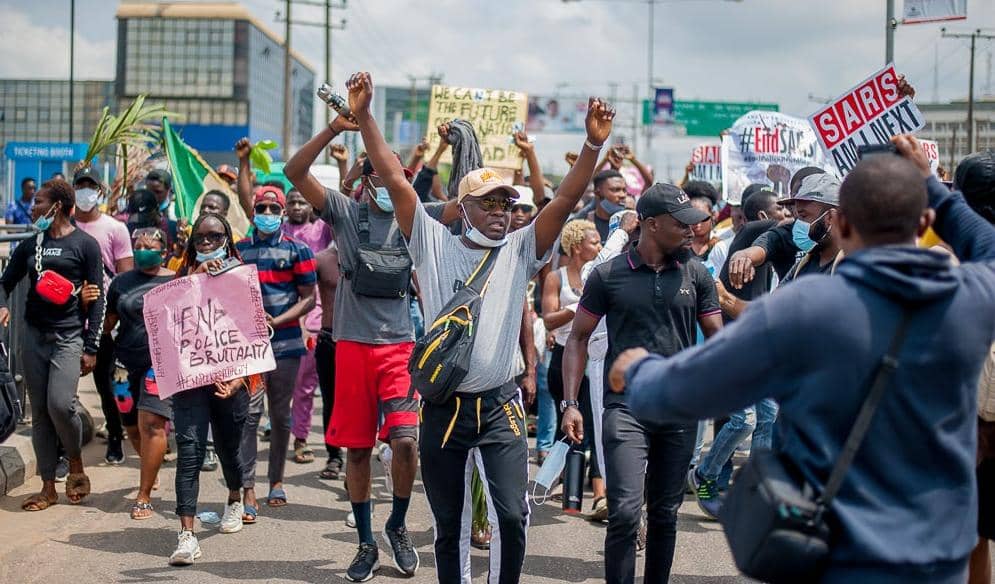
The nationwide demonstrations began in October 2020, when thousands of young Nigerians protested against police brutality, unlawful arrests, extortion and alleged extrajudicial killings, particularly those associated with the now-disbanded Special Anti-Robbery Squad (SARS).

The protests reached a critical point on October 20, when Nigerian soldiers opened fire during an operation at the Lekki Toll Gate in Lagos, where demonstrators had gathered.
Amnesty International subsequently reported that at least 12 people were killed during security operations at Lekki and Alausa that day. The precise number of casualties at Lekki remains disputed.
A Lagos State Judicial Panel of Inquiry later concluded that protesters were shot, injured and killed during the military operation, describing the use of force as excessive and unjustifiable.
However, the Lagos State Government rejected key findings concerning the number of deaths in its November 2021 White Paper, creating further controversy over the official account of the incident.
In July 2024, the ECOWAS Court of Justice found Nigeria responsible for violations of protesters’ rights, ordering compensation for three applicants and directing the authorities to investigate and prosecute responsible security personnel.
Despite these developments, questions persist over who authorised the military operation, the circumstances surrounding the shootings and the extent of accountability for those involved.
Marking Tuesday’s anniversary, former Vice-President Atiku Abubakar renewed demands for answers, questioning the failure of successive authorities to provide what he considers a satisfactory explanation.
Civil society organisations, including the Rule of Law and Accountability Advocacy Centre, also expressed concerns about continuing allegations of torture, unlawful detention and other forms of police misconduct.
Meanwhile, Tuesday’s commemoration at the Lekki Toll Gate was disrupted when police fired tear gas to disperse participants who had gathered to remember the victims and renew demands for justice.
The incident has revived concerns about the protection of peaceful assembly and whether the reforms promised after the 2020 demonstrations have produced lasting changes.

Although SARS was formally disbanded, the broader demands of the movement extended beyond the dissolution of a police unit to institutional accountability, protection of fundamental rights and improved relations between citizens and law enforcement agencies.
Six years later, the central issues remain the identification of those responsible for abuses, effective remedies for victims and measures to prevent similar incidents.
RismadarVoice survey reveals the following:
- Hope, Disillusionment: People celebrated when SARS was dissolved on Oct 11. After Oct 20, many felt nothing really changed. Whether or not the disbandment has shown dividends, Nigerians have yet to attest to it.
- Distrust: Judicial Panels raised hope. However, many Nigerians feel the recommendations were not fully implemented, and many Nigerians are pointing fingers at the arms of government; it’s roles and individual autonomy.
The anniversary, yet again, serves as a reminder that the legacy of #EndSARS continues to shape public debate over Nigeria’s justice system, political landscape and police accountability in the country.