RismadarVoice Reporters
October 9, 2026
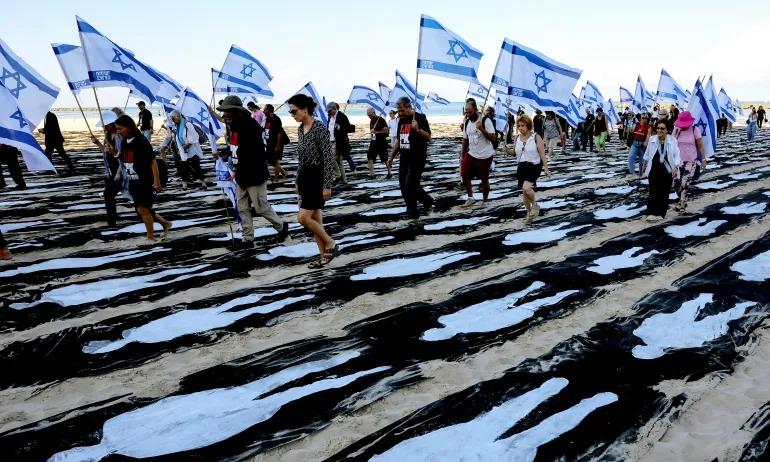
Three years after the Hamas-led attacks of October 7, 2023, prolonged conflict, repeated missile strikes and continuing uncertainty are placing considerable psychological strain on Israelis, with research indicating rising mental health challenges among children, adults and military personnel.
Studies cited in recent reporting suggest that the effects of the conflict extend beyond immediate physical injuries, disrupting daily activities, family relationships, education and emotional well-being.
Research attributed to Clalit Health Services and the Myers-JDC-Brookdale Institute indicates that one in five Israelis experiences severe difficulties carrying out daily activities because of mental health problems.

A separate study attributed to Clalit reportedly found a 121 per cent increase in psychiatric emergency visits involving children and adolescents compared with the period before the war.
The findings have drawn attention to the longer-term psychological consequences of repeated exposure to violence, displacement, bereavement and uncertainty.
The third anniversary of the October 7 attacks comes amid the continuing humanitarian consequences of the conflict.
Approximately 1,200 people were killed during the Hamas-led attacks on Israel in 2023. Israel’s subsequent military campaign in Gaza has killed tens of thousands of Palestinians, according to figures reported by Gaza health authorities.
Beyond the death toll, the conflict has left many families coping with grief, fear and disruption to their everyday lives.

One account highlighted in the reporting concerns Irit Ben Arye, whose husband, Haim, reportedly died by suicide about two weeks after helping evacuate survivors from Kibbutz Be’eri following the October 7 attacks.
According to his wife, the 52-year-old bus driver returned home deeply distressed by what he had witnessed.
The couple had been married for 30 years and had eight children.
Ben Arye has encouraged families experiencing emotional distress to seek professional assistance and avoid suffering in silence.
Other findings attributed to Israel’s National Mental Health Barometer suggest that approximately one-third of respondents believed they needed mental health treatment.
The research also reportedly found that half of respondents experienced disruptions to leisure activities, while 35 per cent reported difficulties developing or maintaining close relationships.

Mental health specialists say prolonged exposure to threats can create persistent feelings of insecurity, particularly when missile warnings and emergency alerts repeatedly interrupt ordinary activities.
Families may experience difficulties maintaining routines, while children can become increasingly anxious about attending school, spending time outdoors or being separated from their parents.
Eric Vermetten, a professor of psychiatry at Leiden University Medical Centre in the Netherlands, explained that sustained exposure to danger could contribute to lasting psychological difficulties.
According to the psychiatrist, prolonged vigilance can interfere with sleep, concentration and emotional regulation, increasing the risk of anxiety, irritability and social withdrawal.
Edgar Jones, a professor at King’s College London’s Institute of Psychiatry, Psychology and Neuroscience, also noted that individuals respond differently to prolonged conflict.

He explained that people who experience bereavement, displacement or other traumatic events may face an increased risk of depression and post-traumatic stress disorder.
Jones warned that continuing threats and disruptions could gradually weaken people’s ability to cope with everyday challenges.
The psychological consequences have also extended to Israeli military personnel, particularly soldiers and reservists repeatedly deployed to combat zones.
Experts say the transition between military operations and civilian responsibilities can create additional emotional strain, especially when personnel have limited opportunities to process traumatic experiences.
Vermetten noted that some reservists may struggle with grief, guilt, shame and despair after repeated exposure to combat.
Jones also highlighted the possibility of moral injury, a form of psychological distress that can arise when individuals experience or participate in events that conflict with deeply held moral beliefs.
Such experiences may contribute to feelings of guilt, anger and shame, although their effects vary considerably among individuals.
Israeli parliamentary figures cited in the report recorded 279 suicide attempts among serving military personnel between January 2024 and July 2025.
The figures also indicated that combat soldiers accounted for 78 per cent of military suicide deaths recorded in 2024.

The reported statistics did not include former service members who died by suicide after leaving the military.
Mental health experts caution that suicide has multiple contributing factors and cannot automatically be attributed to a single experience or event.
They nevertheless emphasise the importance of timely psychological support for people exposed to prolonged conflict, bereavement and social isolation.
The mental health consequences of the wider regional conflict are not limited to Israel.
Palestinian families in Gaza and communities affected by hostilities in Lebanon have also experienced significant psychological distress amid displacement, destruction and repeated exposure to violence.
UNICEF estimates cited in the report suggest that approximately 770,000 children in Lebanon have experienced psychological distress, while nearly two-thirds of surveyed households reported anxiety or nervousness among their children.
In Gaza, extensive destruction, repeated displacement and damage to healthcare facilities have further complicated access to mental health services.
UNICEF has estimated that more than one million children in Gaza require mental health and psychosocial support.

The scale of the reported psychological distress underscores the need for sustained mental healthcare, community-based support and rehabilitation services for populations affected by prolonged conflict.
Experts emphasise that addressing these challenges will require long-term investment in accessible mental health services, particularly for children, bereaved families, displaced communities and military personnel returning to civilian life.