

RismadarVoice Reporters, June 18, 2026
A new national survey has found that a large majority of Americans believe there is a significant divide between wealthy citizens and those with lower incomes, highlighting growing concerns about economic inequality and access to power.
The poll, conducted by NBC News in partnership with More Perfect, a nonpartisan organisation focused on strengthening democracy, found that 81 per cent of respondents believe more factors divide than unite the wealthy and non-wealthy in the United States.
Despite the findings, a slight majority of Americans remain optimistic about national unity, with 54 per cent saying most citizens share similar core values but differ on political and policy issues. Forty-four per cent, however, believe Americans hold fundamentally different values.
The survey identified economic class as one of the country’s most pronounced fault lines, alongside political affiliation. About 80 per cent of respondents said divisions between Republicans and Democrats remain significant.

The perception of a widening gap between rich and poor was shared across age groups, political affiliations, and racial backgrounds.
Many respondents said they feel disconnected from those in positions of power, with 82 per cent agreeing that ordinary Americans have more in common with one another than with influential political and economic elites.
The poll also found widespread scepticism about equality before the law. Eighty-six per cent of participants said wealthy individuals are often able to avoid consequences that ordinary citizens would face for similar actions.
Several respondents cited concerns about the influence of money in politics, arguing that wealth provides greater access to decision-makers and amplifies certain voices in public affairs.
Others pointed to high-profile controversies involving powerful individuals as evidence that financial status can affect accountability within the justice system.
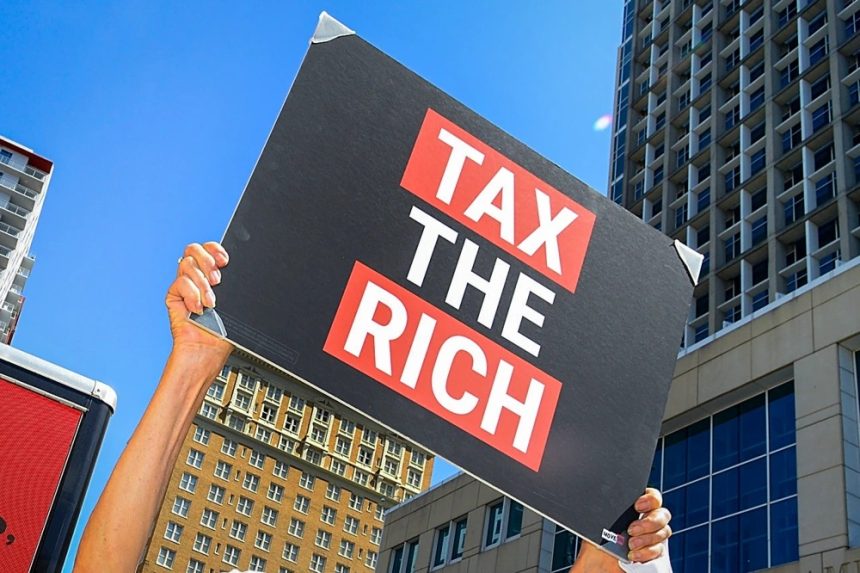
While there was broad agreement on the existence of economic disparities, respondents expressed differing views on how to address the issue. Some advocated higher taxes on the wealthy, while others suggested improving access to education and economic opportunities.
Several participants, however, expressed doubt that government intervention alone could eliminate the gap between economic classes.

Despite concerns over inequality, most Americans remain hopeful about the country’s future. Three-quarters of respondents said they believe that when the United States succeeds economically, people like them also benefit.
At the same time, many acknowledged facing financial pressures, including rising living costs, housing affordability challenges, and concerns about long-term economic security.
The findings underscore the growing debate over wealth inequality in the United States and the extent to which economic status shapes opportunities, political influence, and public trust in institutions.