RismadarVoice Reporters
June 25, 2026
The Executive Chairman of the Economic and Financial Crimes Commission (EFCC), Mr Ola Olukoyede, has identified weak policymaking and poor implementation as major factors undermining Nigeria’s development, urging stakeholders to embrace evidence-based governance and greater public accountability.
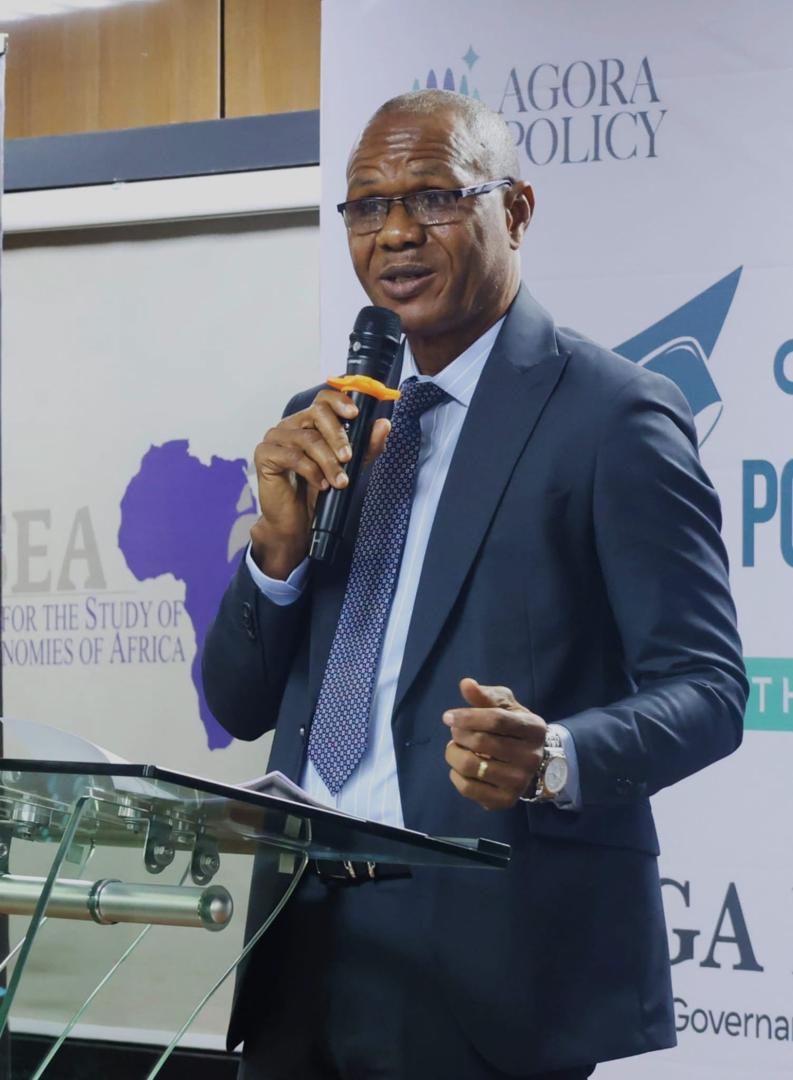
Olukoyede asserted during the graduation ceremony of the second cohort of the Policy Writing Fellowship and the unveiling of the Local Governance Accountability Portal and Policy Registry, organised by Agora Policy at the Centre for the Study of the Economies of Africa (CSEA), Mabushi, Abuja.
Represented by the EFCC’s Director of Public Affairs, Commander of the EFCC (CE) Wilson Uwujaren, the anti-graft agency chairman commended Agora Policy for addressing governance challenges through research, policy development and human capital investment.

According to him, ineffective policymaking and weak implementation have remained significant obstacles to national development.
“Policymaking and implementation have long been identified as twin challenges undermining Nigeria’s development. It is therefore reassuring that Agora Policy opted to address these challenges through human capital development and research,” he said.
Charge to Policy Fellows
Congratulating the 25 graduates of the Policy Writing Fellowship, Olukoyede urged them to apply the knowledge and skills acquired during the programme to improve Nigeria’s policy environment.
He encouraged the fellows to critically examine existing public policies and contribute innovative ideas capable of strengthening governance.
“You have a responsibility to make your training count through vigorous policy interrogation and provision of alternative viewpoints that challenge existing orthodoxy,” he stated.
Accountability Portal a Game Changer
Speaking on the newly launched Local Governance Accountability Portal, the EFCC chairman described the initiative as a significant step toward promoting transparency at the grassroots level.
He lamented the long-standing lack of openness surrounding local government finances, noting that citizens have traditionally had limited access to information on allocations, internally generated revenue and public expenditure.
“For decades, releases to local governments from the Federation Account, management of internally generated revenues and expenditures by the councils have been under a mighty cloak of secrecy, where records are inaccessible and citizens cannot interrogate what was received against what was spent,” he said.
Olukoyede warned that accountability suffers when public officials operate without effective public scrutiny.
According to him, the portal will provide open access to financial allocations to all local government areas from 1999 to date, alongside information on local government profiles and elected officials, thereby equipping citizens with the information needed to demand accountability.
Evidence-Based Governance
In his welcome address, the Founder of Agora Policy, Waziri Adio, said the event reflected the organisation’s commitment to strengthening evidence-based policymaking and participatory governance.
He explained that the graduation of the policy fellows and the unveiling of the digital platforms were aimed at improving public access to governance data and enhancing civic engagement.

While stressing the importance of data, Adio noted that citizens must actively use available information to demand better governance.
“Data is important, but agency is more important. Data without agency is just a set of numbers. We are not without agency. If we want better governance at the local level, we need to demand it, and doing it with evidence will surely help,” he said.