RismadarVoice Reporters, July 5, 2026
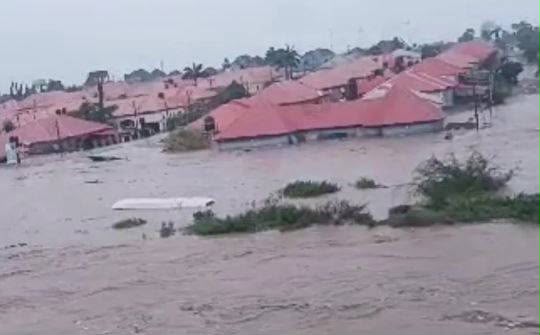
The Nigeria Hydrological Services Agency (NiHSA) has warned that the recent flooding witnessed in Lagos and other parts of the country marks the beginning of a prolonged period of heavy rainfall that could last for about 12 weeks.
The Director-General of the agency, Umar Mohammed, said the flooding was not unexpected, noting that NiHSA had earlier issued forecasts and warnings which were largely ignored.
According to him, the agency’s analysis showed that rainfall and flooding would intensify between July and September, with the peak expected in August and September if adequate mitigation measures are not taken.

Mohammed also raised concerns over the impact of flooding on drinking water, warning that floodwaters could contaminate water sources and pose serious public health risks.
Explaining Lagos’ vulnerability, he said the state is exposed to urban, riverine and coastal flooding due to its location, rapid urbanisation and low-lying terrain, with some areas lying at or below sea level.
He noted that blocked and silted drainage systems, combined with rising river levels and tidal influences, have worsened flooding across the state.
The NiHSA boss said the Ogun River and its tributaries also contribute to flooding in Lagos by increasing water volumes in already inundated urban areas.
He warned that as the ground is already saturated, additional rainfall could leave floodwaters stagnant for days or even weeks, especially in areas with poor drainage.
Mohammed disclosed that the agency is monitoring water quality before and after flooding to assess the impact on boreholes and other drinking water sources.

He said flooding is expected to continue intermittently between July and September, with conditions gradually easing in October and significantly reducing by November.
The NiHSA Director-General also expressed concern over what he described as poor cooperation from state governments, alleging that many authorities often disregard the agency’s annual flood forecasts and early warning advisories until disasters occur.
He urged governments and residents to take flood warnings seriously and implement preventive measures to reduce the impact of the ongoing rainy season.