RismadarVoice Reporters, May 18, 2026
Nigeria has intensified surveillance and preparedness measures following a fresh Ebola outbreak in the Democratic Republic of Congo (DRC), where at least 80 people have reportedly died across affected regions.
The Nigeria Centre for Disease Control and Prevention (NCDC) disclosed on Sunday that it had heightened monitoring efforts as health authorities continue to assess the situation in Central Africa.
According to reports from the World Health Organisation (WHO), the outbreak has affected at least three health zones in the DRC, including Bunia, Rwampara and Mongbwalu, with concerns that the actual scale of infections may be significantly higher than current figures suggest.

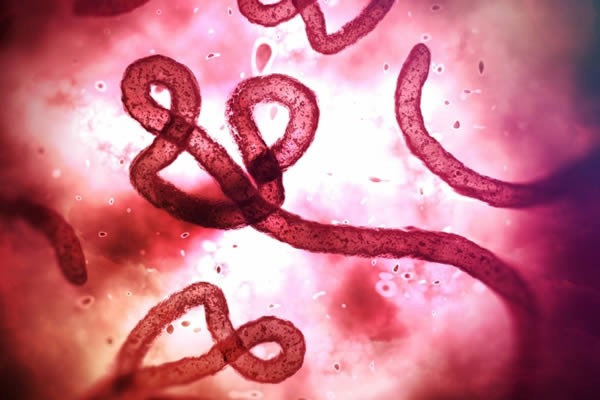
Health experts have raised concerns over the nature of the outbreak, which involves the Bundibugyo strain of the Ebola virus. Unlike the more common Ebola-Zaire strain, there are currently no approved vaccines or specific treatments available for this variant.
The WHO described the outbreak as unusual and potentially serious, citing rising numbers of suspected cases and high positivity rates among early samples collected from affected areas.
Responding to the development, Director-General of the NCDC, Dr Jide Idris, said Nigeria was taking proactive measures to strengthen disease surveillance, especially in view of increasing movement across African countries.
He explained that the agency was collaborating with relevant stakeholders, including Port Health Services under the Federal Ministry of Health and Social Welfare, to ensure the country’s public health system remains alert and prepared.
“NCDC is closely monitoring the situation and working with relevant stakeholders, including Port Health Services, to sustain vigilance and strengthen preparedness efforts across the country,” Idris said.
He described Ebola Virus Disease as a severe and often fatal illness transmitted through direct contact with blood, body fluids, secretions and contaminated objects associated with infected individuals or animals.
The disease typically has an incubation period of two to 21 days, with symptoms including fever, fatigue, headache, muscle pain, sore throat, vomiting and diarrhoea. Severe cases may also involve unexplained bleeding.
The NCDC noted that surveillance systems for Ebola and other epidemic-prone diseases remain active nationwide, alongside ongoing risk communication and community awareness campaigns.
Nigerians were urged to remain calm and avoid spreading unverified information about the disease.
The agency advised citizens to maintain proper hand hygiene, avoid contact with bodily fluids of sick individuals, refrain from handling dead animals or bushmeat from uncertain sources, and seek medical attention for unusual symptoms.
Healthcare professionals were also urged to maintain a high level of suspicion when managing patients with symptoms linked to Ebola, particularly where travel history or possible exposure exists.

The NCDC stressed the need for strict infection prevention measures, including early identification of suspected cases, prompt isolation procedures, proper use of personal protective equipment and timely reporting through established health channels.
Nigeria’s response strategy draws from its experience during the 2014 Ebola outbreak, when swift emergency interventions and aggressive contact tracing successfully contained the virus after an infected traveller entered the country through Lagos.
Public health authorities say lessons from that outbreak strengthened Nigeria’s disease surveillance and emergency response systems, positioning the country to respond more effectively to future health threats.