RismadarVoice Reporters
October 29, 2026
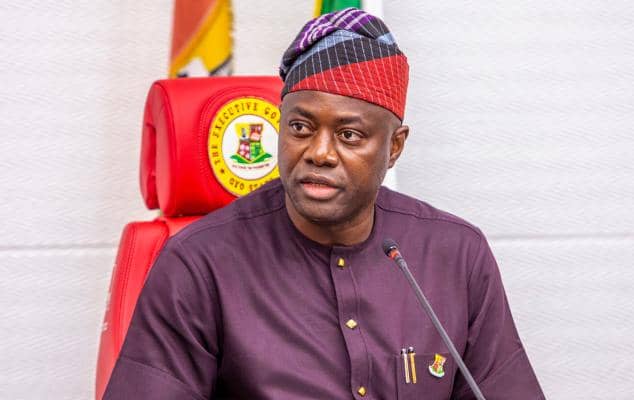
The Makinde-Daura Presidential Campaign Organisation has criticised the Federal Government’s proposed $21.7 billion external borrowing plan, raising concerns about transparency, debt sustainability and the expected benefits of the proposed investments.
The organisation, supporting Oyo State Governor Seyi Makinde’s presidential ambition, called on President Bola Tinubu to withdraw the request and urged the National Assembly to withhold approval pending further scrutiny.
In a statement issued by its Director of Strategic Communications, Richard Nnanna Ihediwa, the campaign organisation questioned the government’s continued reliance on foreign borrowing and demanded greater accountability over previous loans.

The group argued that Nigerians deserved clear explanations of how borrowed funds would be spent, the projects to be financed and the arrangements for repayment.
It also questioned whether previous borrowing had produced corresponding improvements in infrastructure, electricity supply, healthcare, education and household welfare.
The criticism followed Tinubu’s submission of a supplementary external borrowing proposal comprising $20.52 billion and €1.045 billion to the National Assembly.
The proposed financing covers projects in transportation, power, agriculture, healthcare, education, security and other sectors.
The Makinde campaign maintained that additional borrowing could increase pressure on future government finances unless the investments delivered measurable economic returns.
It also raised concerns about the timing of the request ahead of the 2027 general election.
However, the Federal Government defended the proposal, insisting that the funds were intended for productive investments rather than recurrent expenditure.

Speaking after Wednesday’s Federal Executive Council meeting in Abuja, Minister of Finance and Coordinating Minister of the Economy, Taiwo Oyedele, explained that the proposal represented a multi-year financing programme rather than an immediate withdrawal of the entire amount.
According to Oyedele, approximately $10.6 billion would support transportation infrastructure, including major road and rail projects.
He added that part of the financing would come from multilateral and bilateral development partners on concessional terms.
The minister argued that borrowing for infrastructure could strengthen economic productivity and generate long-term benefits if the projects were properly implemented.
He also clarified that the government had not yet borrowed the full proposed amount and might not ultimately draw down all the facilities.
The controversy has renewed debate over Nigeria’s public debt, the economic returns on government borrowing and the level of transparency required before lawmakers approve additional financial commitments.
The proposal remains subject to legislative consideration, with questions about project implementation, repayment obligations and public accountability forming part of the wider discussion.