RismadarVoice Reporters
October 29, 2026
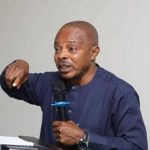
The Director-General of the Institute for Peace and Conflict Resolution (IPCR), Dr Joseph Ochogwu, has said the establishment of state police could strengthen Nigeria’s response to farmer-herder conflicts, rural banditry and other security challenges.
Ochogwu explained that decentralised policing could improve intelligence gathering, strengthen community engagement and enable security personnel to respond more quickly to threats.
He spoke on Thursday in Abuja during a conference organised by the Rosa Luxemburg Foundation-West Africa, themed Peace and Conflict Resolution in Nigeria: Rethinking Strategies for Sustainable Peace.

The IPCR director-general, however, warned that state policing must be accompanied by effective oversight, professional standards and legal safeguards to prevent political interference, human rights violations and the targeting of minority communities.
According to him, bringing security operations closer to communities could improve public confidence and strengthen early responses to emerging threats.
He stressed that Nigeria’s security challenges were not solely military or policing problems but were also connected to weak governance, economic exclusion, unresolved grievances and institutional failures.
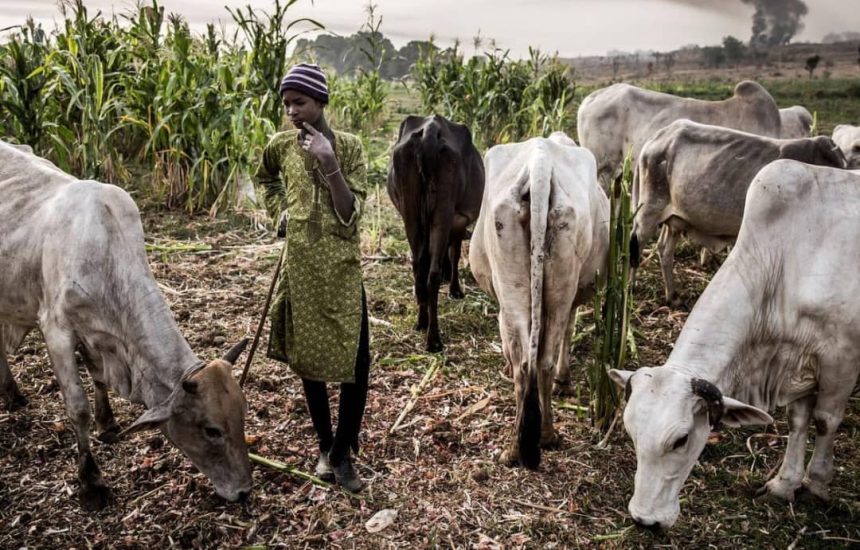
Ochogwu identified disputes over land ownership, grazing routes, water resources and political representation as factors contributing to recurring communal violence, particularly in North-Central Nigeria.
He noted that prolonged insecurity had displaced families, disrupted agricultural production and undermined economic activities in affected communities.
Citing the June 2025 attack on Yelewata in Benue State, he highlighted the devastating consequences of rural violence, including deaths, displacement and destruction of livelihoods.

The director-general argued that sustainable peace would require more than security deployments, calling for justice, accountability, humanitarian assistance and the restoration of economic opportunities.
He also identified unemployment, inequality, inadequate public services and the proliferation of small arms as conditions capable of worsening insecurity.
On the proposed establishment of state police, Ochogwu emphasised that decentralisation should not expose citizens to political intimidation or abuse by local authorities.
He called for adequate funding, transparent recruitment, civilian oversight and effective accountability mechanisms.
Earlier, Angela Odah of the Rosa Luxemburg Foundation-West Africa said insecurity had made routine activities, including travelling and visiting rural markets, increasingly dangerous.
She explained that the conference was organised to examine the underlying causes of violence and develop practical recommendations for lasting peace.
The gathering brought together government representatives, academics, civil society organisations and peacebuilding practitioners.
Participants examined farmer-herder conflicts, rural banditry and the need to strengthen community-based peacebuilding initiatives.
The conference also emphasised early-warning systems, dialogue between affected communities and stronger institutions capable of resolving disputes before they escalate into violence.