

RismadarVoice Reporters
September 4, 2026
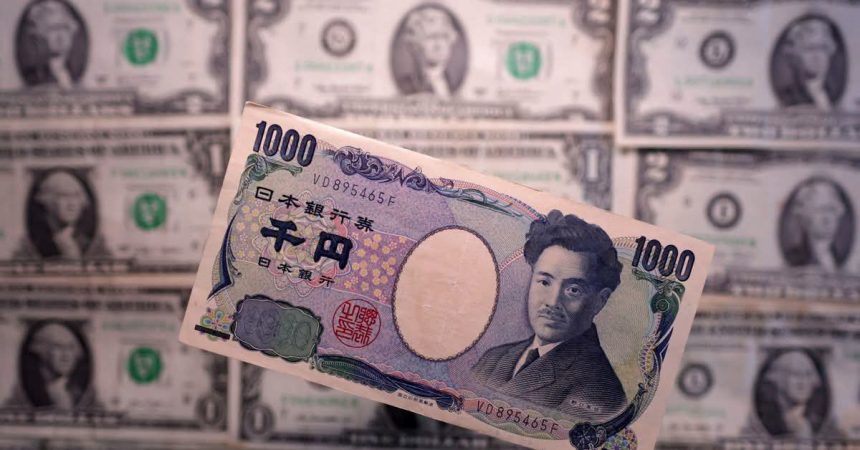
Japan’s top currency diplomat Atsushi Mimura has warned that authorities remain prepared to intervene in the foreign exchange market if excessive yen weakness continues.
Mimura, vice finance minister for international affairs, said on Friday that Tokyo remained closely monitoring currency movements and maintained regular communication with United States authorities over exchange-rate developments.
“There’s no change to our stance of being on alert to currency moves,” Mimura told reporters, adding that Japan would continue to watch market conditions carefully.

The comments came after the yen strengthened sharply against the dollar on Thursday, gaining around 2% as investors increased expectations that the Bank of Japan could raise interest rates this month following recent policy signals.
Despite the rebound, the yen later weakened again, trading around 156 yen per dollar, highlighting continued pressure from the wide interest-rate gap between Japan and the United States.
Japanese policymakers have expressed concern that a weak yen has increased import costs and contributed to inflationary pressures. Authorities previously carried out a rare joint yen-buying intervention with the United States on July 31 in an effort to prevent further market instability.
Japan’s Finance Minister Satsuki Katayama also denied reports that U.S. Treasury Secretary Scott Bessent had pressured Tokyo over monetary policy during recent discussions.

Katayama said Bessent had expressed his long-standing view that the yen was undervalued due largely to differences in interest rates between the two economies, but she insisted there had been no direct demand regarding Japan’s monetary decisions.
Market participants are now closely watching the Bank of Japan’s next policy meeting, with expectations of a possible rate increase growing after several officials adopted a more cautious stance on inflation and economic conditions.
Japan’s government has previously indicated that it would take action against disorderly currency movements, particularly sharp declines that could harm households and businesses through higher import prices.