


RismadarVoice Reporters, June 30, 2026
The Federal Government of Nigeria has approved the release of a newly developed chicken breed and 57 improved crop varieties as part of efforts to strengthen food security, increase agricultural productivity and improve nutrition across Nigeria.
The announcement was made during the 36th meeting of the National Committee on Naming, Registration and Release of Crop Varieties, Livestock Breeds and Fisheries, held in Ibadan, Oyo State.
The meeting, organised by the National Centre for Genetic Resources and Biotechnology (NACGRAB), was chaired by the Chairman of the National Variety Release Committee (NVRC), Prof. Soji Olufajo.

Olufajo said the approval followed recommendations from the committee’s technical sub-committees after rigorous evaluation of the new livestock breed and crop varieties.
He noted that the improved varieties are expected to significantly boost food production and urged farmers to adopt the certified seeds and breeding materials to maximise agricultural output.
According to him, agricultural extension workers also have a critical role in ensuring farmers are informed about the newly released technologies and improved varieties.
“The release of these improved crop varieties and livestock breeds will contribute to enhanced food production and nutritional security. Farmers should take advantage of the improved planting materials and livestock breeds now available,” he said.
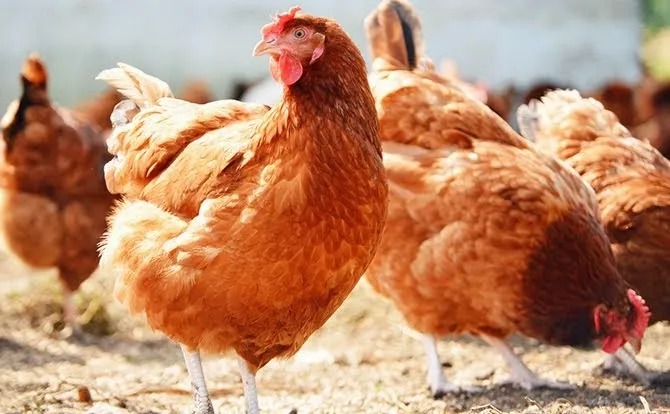
The newly approved chicken breed, named Moorbeta, was developed by the Institute of Agricultural Research and Training (IAR&T), Ibadan.
According to the committee, the meat-type breed was selected for its rapid growth, high body weight within 10 weeks, good carcass quality and ability to withstand heat stress, making it suitable for Nigeria’s climatic conditions.

Chairman of the Technical Sub-Committee on Livestock Breeds and Fisheries, Prof. Waheed Akin-Hassan, described Moorbeta as a locally developed breed with strong commercial potential.
He said plans were underway for its mass production, adding that the achievement reflects years of research into improving Nigeria’s indigenous poultry genetics.
The committee also approved 57 improved crop varieties spanning 14 different crops, including soybean, yam, potato, onion, tomato, rice, pepper, eggplant, plantain, banana, maize, groundnut, sorghum, cotton and cowpea.
Among the newly released varieties are four Musa species developed by the National Horticultural Research Institute (NIHORT), comprising two plantain varieties HORTIPLAN 1 and HORTIPLAN 2 and two banana varieties HORTIBAN 1 and HORTIBAN 2.
The plantain varieties were approved for their heavy bunches, long shelf life, high carotenoid content and suitability for boiling, frying, roasting and flour production, while the banana varieties were recognised for their sweet taste, large pulp and thick peel.
The committee also approved a new soybean variety, YSJ001, jointly developed by YSJ Limited and the International Institute of Tropical Agriculture (IITA), based on its high protein content, disease tolerance and improved pod clearance.
Other newly released varieties include two yam cultivars developed through collaboration between the National Root Crops Research Institute (NRCRI) and IITA, one potato variety, six onion varieties, five tomato varieties, five rice varieties, one pepper variety and three eggplant varieties.
The approved rice varieties were recognised for desirable grain quality, drought tolerance and high yield potential, while the pepper and eggplant varieties were selected for their early maturity, nutritional value and adaptability.
The committee further approved 15 maize varieties, four groundnut varieties, one sorghum variety, four cowpea varieties and six proprietary cotton varieties.
Agricultural researchers, scientists, breeders and geneticists from research institutes and universities across the country attended the meeting, which highlighted ongoing efforts to strengthen Nigeria’s agricultural research and food production systems through improved crop and livestock development.