RismadarVoice Reporters
October 16, 2026
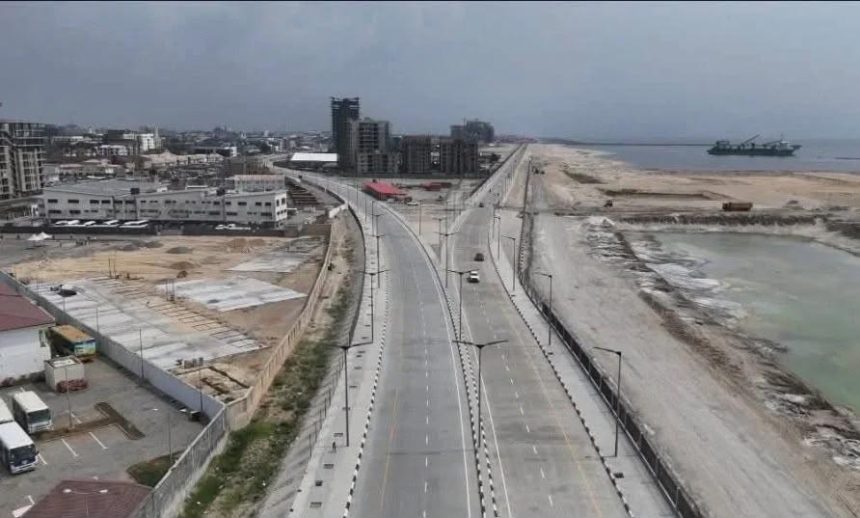
The Ijaw Youth Council (IYC) Worldwide has appealed to President Bola Ahmed Tinubu to intervene in the controversy surrounding the alignment of the Lagos-Calabar Coastal Highway, insisting that the Federal Government must retain the original route approved for the multibillion-naira infrastructure project.
The council expressed concern over reports suggesting that portions of the proposed 750-kilometre highway could be redirected towards the existing East-West Road instead of passing through coastal communities in Ondo, Edo, Delta, Bayelsa and Rivers states.
Speaking during a press conference at the Ijaw House in Yenagoa, Bayelsa State, on Thursday, October 15, the council’s National President, Dr Doubra Okotete, described the reported diversion as unacceptable and potentially damaging to the economic interests of coastal communities across the Niger Delta.

The IYC urged President Tinubu to direct the Minister of Works, David Umahi, to maintain the original coastal alignment and publish the approved engineering drawings and designs for the entire project to address growing concerns about possible changes.
According to the council, making the documents publicly available would promote transparency, clarify the government’s intentions and restore confidence among communities expecting to benefit from the highway.
The organisation argued that the coastal highway was conceived to improve connectivity, stimulate economic activities and open up previously underserved riverine communities to investment and development.
It maintained that redirecting the project towards the existing East-West Road could undermine those objectives, particularly for coastal settlements that have historically experienced limited road infrastructure.
The council also called for the immediate commencement of construction on the Rivers, Bayelsa, Delta and Edo sections, alongside ongoing and proposed work in Lagos, Ondo, Cross River and Akwa Ibom states.

Rejecting arguments that difficult terrain and rising construction costs could justify changes to the alignment, the IYC insisted that engineering challenges should be addressed through appropriate technical solutions rather than by excluding coastal communities.
The group noted that the Niger Delta’s longstanding contribution to Nigeria’s oil and gas revenue should strengthen the case for significant federal investment in infrastructure across the region.
It cited several road and bridge projects in Bayelsa and Rivers states as examples of infrastructure development being undertaken in challenging riverine environments.
Among the projects mentioned were the Nembe-Brass Road, Yenagoa-Oporoma-Ukubie Road and Ekeremor-Agge Road in Bayelsa State, as well as the Port Harcourt-Okrika Road and Bonny Ring Road projects.
The council argued that such projects demonstrated the possibility of developing transport infrastructure in swampy and coastal environments when adequate engineering expertise and financial resources were committed.
It also offered to sponsor a visit by former Cross River State Governor Donald Duke to Bayelsa State to inspect ongoing infrastructure projects and assess the feasibility of road construction across difficult Niger Delta terrain.

Beyond its economic concerns, the IYC warned that the controversy could have political consequences for the Tinubu administration ahead of the 2027 general elections.
The organisation argued that residents of the South-South expected major federal infrastructure projects to translate into tangible development, particularly in communities that have contributed significantly to national revenue.
It cautioned that any decision perceived as excluding coastal communities from the highway could weaken public confidence in the administration and generate dissatisfaction across the region.
The council also questioned whether the proposed changes would deliver the same economic benefits as a highway running through previously inaccessible coastal settlements.
While acknowledging subsequent clarifications attributed to the Minister of Works, the IYC maintained that verbal assurances alone would not resolve the controversy.
It insisted that the Federal Government should release the approved project documents, clearly identify the intended route through each affected state and establish a transparent construction timetable.

The council stressed that its demands were intended to ensure fairness, accountability and equitable infrastructure development rather than create confrontation with the Federal Government.
It reiterated that the Ijaw people remained committed to peaceful engagement but expected the government to address their concerns through concrete action.
The IYC urged President Tinubu to ensure that the Lagos-Calabar Coastal Highway fulfils its original purpose of connecting coastal communities, improving regional transportation and promoting economic development across southern Nigeria.