RismadarVoice Reporters
October 9, 2026
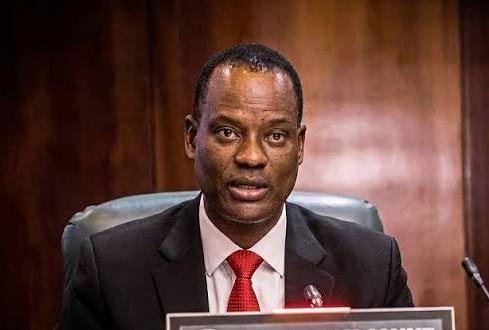
Taiwo Oyedele has said the 30-day petrol price discount introduced by NNPC Retail is a commercial initiative rather than a return to the fuel subsidy regime discontinued by the Federal Government in 2023.
In a statement reportedly published on his X account on Friday, Oyedele explained that the temporary price reduction was being financed through NNPC Retail’s profit margin without additional government funding.
The discount, which reportedly commenced on October 1, 2026, has resulted in reduced petrol prices at participating NNPC Retail filling stations.

Oyedele described the initiative as temporary relief for motorists, households and transport operators facing high transportation costs.
He explained that a retail discount occurs when a company reduces part of its profit margin to offer products at lower prices, while a subsidy involves the use of public resources to cover part of the cost of goods or services.
According to him, NNPC Retail purchases petrol from the Dangote Refinery and other suppliers at prevailing market prices before adding its distribution and retail margins.
“The cost of the discount is borne by the retailer alone,” he said.
He maintained that the arrangement differed from supplying government-owned crude oil below its market value, which could result in a revenue shortfall for the Federation.
Oyedele also defended the decision to reduce retail margins, arguing that the strategy was consistent with NNPC Retail’s role in supporting the availability and affordability of petroleum products.
He noted that the company had operated in Nigeria’s petroleum retail market for more than two decades and had previously offered competitive pump prices.
Addressing concerns about the potential impact on NNPC Limited’s profitability, Oyedele argued that increased sales volumes and stronger customer loyalty could offset the reduction in earnings per litre.
He said the strategy could ultimately improve overall profitability and potentially increase dividends payable to the Federation.
The former tax reform official also dismissed suggestions that the discount could encourage petrol smuggling or distort competition in the domestic petroleum market.
According to him, retail margins account for less than five per cent of the pump price, making the temporary discount unlikely to create substantial price differences between Nigeria and neighbouring countries.

He said petrol prices in neighbouring countries were already approximately 20 to 40 per cent higher than those in Nigeria.
Oyedele maintained that the initiative would not reproduce the financial burden and market distortions associated with the previous subsidy arrangement.
He acknowledged that fuel prices continued to affect household spending and business operations, adding that the government was pursuing measures to reduce transportation costs.
The measures outlined included expanding compressed natural gas transportation, removing certain taxes and duties on petrol, and addressing illegal levies that increase operating costs.
He said the government’s objective was to ease financial pressure on Nigerians while maintaining a market-based petroleum pricing system.
The claims concerning the discount’s funding, commercial impact and expected benefits remain subject to confirmation from NNPC Retail and relevant government authorities.