RismadarVoice Reporters
October 29, 2026
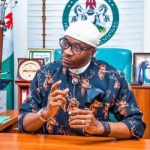
The presidential candidate of the Nigeria Democratic Congress (NDC), Peter Obi, has pledged to introduce stricter measures against certificate forgery and electoral malpractice if elected president in the 2027 general election.
Obi made the declaration on Wednesday during an NDC town hall meeting in Nasarawa State, where he addressed supporters on electoral integrity, political accountability and proposed reforms to Nigeria’s electoral system.
The former Anambra State governor said his administration would insist on verifiable educational qualifications for individuals seeking elective office.

He proposed that candidates should demonstrate that they attended primary and secondary schools, warning that individuals who falsified their educational records would face prosecution.
“Our laws will be strict. For you to contest an election, you must have attended a primary school, you must have attended a secondary school, and it will be visible; it will be clear,” Obi said.
He further warned that individuals who failed to meet the proposed requirements or presented forged certificates could face imprisonment.
Obi also extended his warning to officials of the Independent National Electoral Commission (INEC) and other individuals involved in election administration.
He maintained that anyone found guilty of manipulating election results under his administration would be prosecuted in accordance with the law.
The NDC candidate said strengthening political parties and electoral institutions would be central to his plans for preventing electoral malpractice.
Responding to concerns about possible manipulation of the 2027 elections, Obi declared that his party would resist attempts to undermine the electoral process.
He insisted that public officials, regardless of their positions, must be held accountable for violations of the law.
However, Nigeria’s existing constitutional provisions do not expressly require candidates to have attended both primary and secondary schools.
Section 131 of the 1999 Constitution, as amended, requires presidential candidates to have attained at least School Certificate level or its equivalent, while Section 318 provides a broader definition of acceptable educational qualifications.
Consequently, any proposal to make attendance at both levels compulsory would require appropriate constitutional changes.

Similarly, failure to attend primary or secondary school is not, by itself, an offence punishable by imprisonment under the existing constitutional eligibility framework.
Obi’s remarks therefore represent proposed changes to electoral eligibility and enforcement rather than requirements already established under Nigerian law.
The former governor maintained that his broader objective was to strengthen democratic institutions, promote accountability and ensure compliance with electoral laws.