RismadarVoice Reporters
October 29, 2026
The Federal Government of Nigeria has defended its proposed $21.7 billion external borrowing programme, insisting that the funds are intended for productive investments rather than recurrent expenditure.
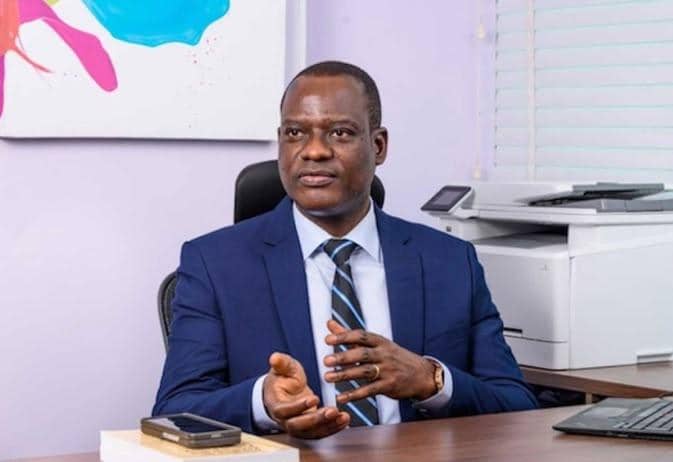
The Minister of Finance and Coordinating Minister of the Economy, Taiwo Oyedele, stated this on Wednesday after the Federal Executive Council meeting presided over by President Bola Tinubu at the Presidential Villa, Abuja.
Oyedele explained that the financing plan, submitted to the National Assembly for consideration, would support infrastructure and development projects over approximately five years.
He clarified that the proposal did not mean the government had already borrowed the entire amount or would necessarily access all the proposed funds.
According to the minister, approximately $10.6 billion would finance transportation infrastructure, including the Sokoto–Badagry Highway, Lagos–Calabar Coastal Highway and Kano–Kaduna railway corridor.
He disclosed that about $7.9 billion would come from multilateral and bilateral development partners, including a proposed $5 billion World Bank component with an average concessional interest rate of 2.1 per cent.
The commercial financing component carries an indicative average interest rate of 7.8 per cent.
Oyedele also explained that approximately $4.8 billion of the proposed financing would support projects involving state governments, the Federal Capital Territory, government agencies and development finance institutions.

Defending the programme, he argued that borrowing could strengthen Nigeria’s economic position if the resulting infrastructure and productive assets generated benefits exceeding their financing costs.
However, loans drawn under the programme would still create repayment obligations, regardless of their intended investment purposes.
On economic performance, Oyedele said Nigeria’s foreign reserves had exceeded $55 billion, while net reserves had risen above $45 billion.
He reported that inflation declined to 14.63 per cent in September 2026, compared with 20.98 per cent a year earlier.
The minister also cited improvements in government revenue, exchange-rate stability and the country’s debt-service-to-revenue ratio.
On social interventions, he disclosed that ₦372.6 billion had been disbursed through the Nigerian Education Loan Fund to more than 1.5 million students.
He added that over 10 million households had received cash transfers exceeding ₦600 billion, while more than 800,000 small businesses had benefited from subsidised loans.
The council also approved financing arrangements for electricity substations, railway equipment, road infrastructure and customs inspection technology.

Oyedele said the government was targeting single-digit inflation by the end of 2027, with particular attention to food prices and household living costs.
The proposed external borrowing programme remains subject to legislative consideration, while its eventual economic impact will depend on project implementation, financing conditions and measurable returns.