RismadarVoice Reporters
October 1, 2026
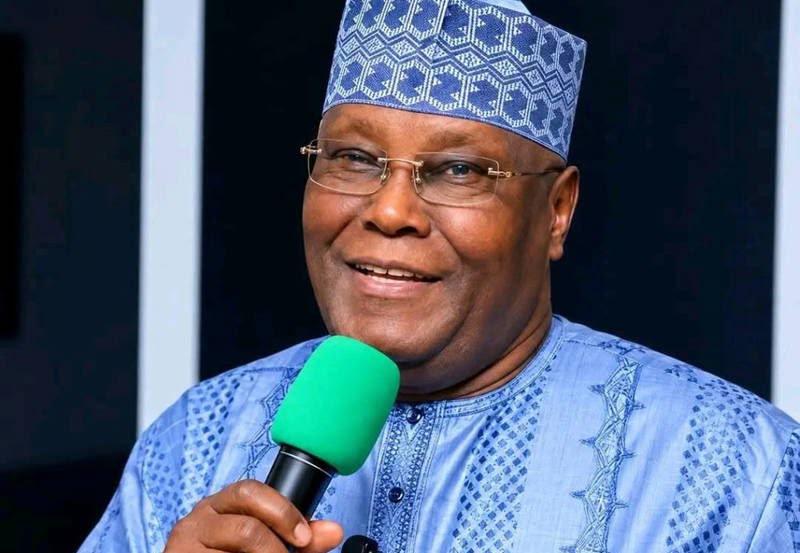
Presidential candidate of the African Democratic Congress (ADC, Atiku Abubakar, has promised to pursue policies aimed at making essential goods and services more affordable for Nigerians if elected president in 2027.
Atiku pledged in his Independence Day address on Thursday as Nigeria marked its 66th anniversary.
The former vice president also challenged President Bola Tinubu’s declaration that Nigeria had moved beyond the difficult phase of economic reforms into what the President described as an “age of prosperity.”

Atiku argued that declining inflation alone would not restore the purchasing power Nigerians had lost following increases in the prices of fuel, food and other essential commodities.
He used petrol prices and the national minimum wage to illustrate his argument.
According to Atiku, a monthly minimum wage of N70,000 at a petrol price of N1,400 per litre would purchase about 50 litres of petrol.
He compared this with the previous N30,000 minimum wage and an average petrol price of N254.06 per litre in April 2023, which he said could purchase about 118 litres.
Atiku also cited increases in the prices of food items, including bread and eggs, as indicators of the pressure facing Nigerian households.
The ADC candidate proposed what he described as a capped and budgeted production subsidy that would apply exclusively to verified petrol refined in Nigeria.
Under his proposal, imported petrol would not qualify for the intervention.
Atiku said the costs and beneficiaries of the proposed subsidy would be publicly disclosed, while payments would be independently audited.
He argued that the arrangement could reduce petrol prices for consumers while encouraging domestic refining and creating employment.
The proposal has generated debate, with the Federal Government and the All Progressives Congress questioning its legal, fiscal and operational framework.
Atiku has maintained that his proposal would not restore the previous fuel subsidy system, which largely subsidised imported petroleum products.
The former vice president also questioned the Federal Government’s claims concerning cash transfers to vulnerable Nigerians and called for greater transparency in the identification of beneficiaries and disbursement of funds.
“If you could find 10 million people to pay, you can account for the payments,” Atiku said.
He further called for greater transparency in government borrowing, expenditure and contracting, including publication of relevant loan and contract records.
Atiku argued that the effectiveness of economic policies should ultimately be assessed by their impact on household purchasing power, employment and Nigerians’ ability to meet basic needs.
On electoral reform, the ADC candidate pledged that an administration led by him would respect the independence of electoral institutions and support the prompt publication of polling-unit results.
“Your vote must count as you cast it,” he said.

Atiku also promised stronger enforcement against vote-buying and manipulation of election results.
His remarks came hours after Tinubu defended his administration’s economic reforms in his Independence Day address and rejected calls for a return to the previous petrol subsidy regime.
Tinubu said the difficult reforms implemented since 2023 had strengthened the economy and that his administration’s priority would now be reducing the cost of living by lowering the cost of producing and transporting goods.
The President declared that the “age of reform” had given way to an “age of prosperity,” while acknowledging that millions of Nigerian households continued to face financial difficulties.
The contrasting positions on fuel pricing, subsidies and the cost of living are emerging as issues in the policy debate ahead of the 2027 presidential election.