RismadarVoice Reporters
August 28, 2026
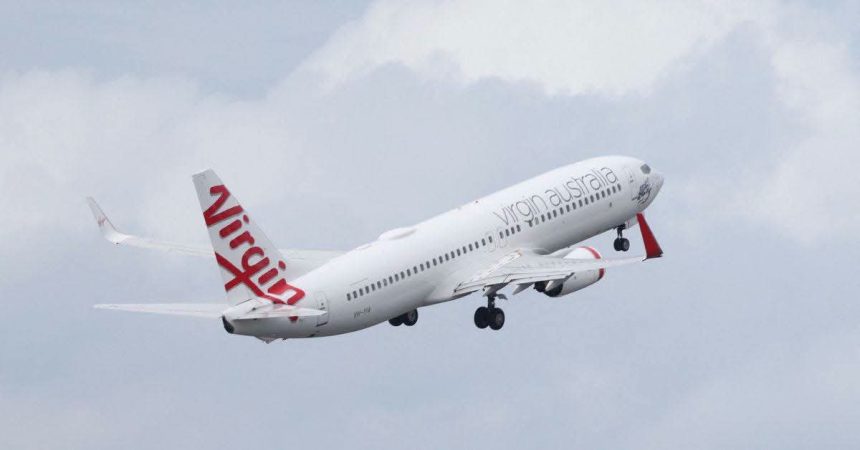
Virgin Australia has announced plans to reduce its domestic capacity by 3% in the first half of its financial year, aligning with a similar move by rival Qantas as the airline seeks to protect profit margins amid rising costs.
The airline said strong demand from corporate and leisure travellers was supporting its outlook, but continued cost inflation and higher fuel prices linked to the Iran war were expected to put pressure on its operations.
Virgin Australia reported an underlying net profit after tax of A$404 million for the 12 months ended June 30, representing a 22% increase from the previous year. The result exceeded the A$383.4 million consensus estimate compiled by Visible Alpha.

The airline also declared its first dividend since relisting on the Australian stock market in 2025.
Virgin Australia expects its earnings before interest and tax for the first half of the current financial year to be broadly in line with the A$490 million recorded during the corresponding period last year.
The airline said it had hedged 96% of its Brent crude exposure and 20% of its refining margins for the period as it seeks to limit the impact of volatile fuel prices.
Virgin Australia expects revenue per available seat kilometre, a key industry measure of revenue generated from available passenger capacity, to increase by between 6% and 8% in the six months ending in December.
The forecast is above the Visible Alpha consensus estimate of about 5.15%.
Qantas, Australia’s largest airline, has projected an 8% to 10% increase in total revenue per available seat kilometre over the same period.
Virgin Australia’s Chief Commercial Officer, Paul Jones, said the airline expected domestic growth of between 7% and 9%, with its broader guidance also covering short-haul international operations.
The airline also said it would not immediately follow Qantas’ low-cost carrier Jetstar in introducing charges for storing carry-on baggage in overhead lockers.
Jones said Virgin Australia would review its pricing strategy in response to changes in the market following Jetstar’s planned introduction of the baggage charges in February 2027.

Virgin Australia’s shares initially rose as much as 3.9% following the earnings announcement before falling nearly 3% in afternoon trading.
Meanwhile, Bain Capital, the airline’s largest shareholder, is eligible to begin reducing its 39.9% stake from Monday, when the shares are released from voluntary escrow.
The developments come as airlines globally seek ways to manage higher fuel expenses through capacity reductions, fare increases and fuel-hedging strategies.
Virgin Australia’s latest results indicate that strong passenger demand is helping offset some of the cost pressures, while the planned capacity reduction is intended to support margins in an environment of elevated operating expenses.