RismadarVoice Reporters
September 4, 2026
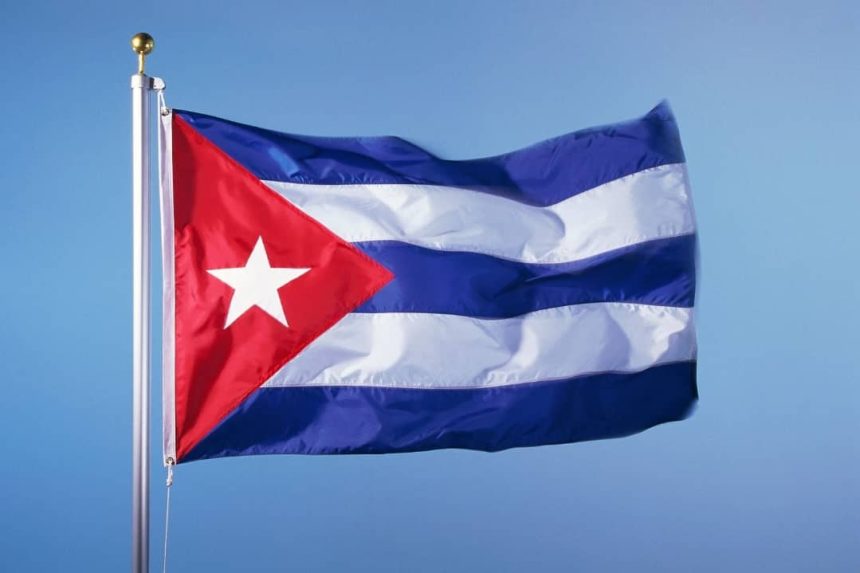
The United States has announced a fresh round of economic sanctions targeting Cuba, increasing pressure on the island’s government amid ongoing economic challenges and diplomatic tensions between Washington and Havana.
The latest measures announced by the U.S. State Department include sanctions against several Cuban companies and Fidel Ernesto Castro, the 31-year-old grandson of former Cuban leader Raul Castro. The targeted entities include businesses linked to Cuba’s mining, energy and financial sectors, including Banco Exterior de Cuba, a state-owned bank.

U.S. Secretary of State Marco Rubio said the sanctions were aimed at holding Cuban leaders accountable for what Washington described as economic mismanagement, repression and activities considered threats to U.S. interests.
The new measures come as the Cuban government continues efforts to introduce economic reforms aimed at attracting investment and reducing state control in some sectors. Recent changes have allowed greater participation by private businesses, including in tourism, and eased some restrictions affecting investors and companies.
Cuban officials have criticised the sanctions, arguing that U.S. restrictions have contributed to economic difficulties, including challenges affecting energy supplies, healthcare services and access to essential goods. Cuban Foreign Minister Bruno Rodriguez rejected Washington’s accusations and said Cuba does not pose a threat to U.S. national security.

The latest sanctions are part of a broader U.S. pressure campaign against Cuba that has intensified under President Donald Trump’s administration. Washington has maintained that the measures are intended to pressure the Cuban government toward political and economic changes.
Havana, meanwhile, has continued pursuing economic adjustments, including reforms designed to expand private sector participation and improve conditions for foreign and domestic investment.