RismadarVoice Reporters, May 27, 2026
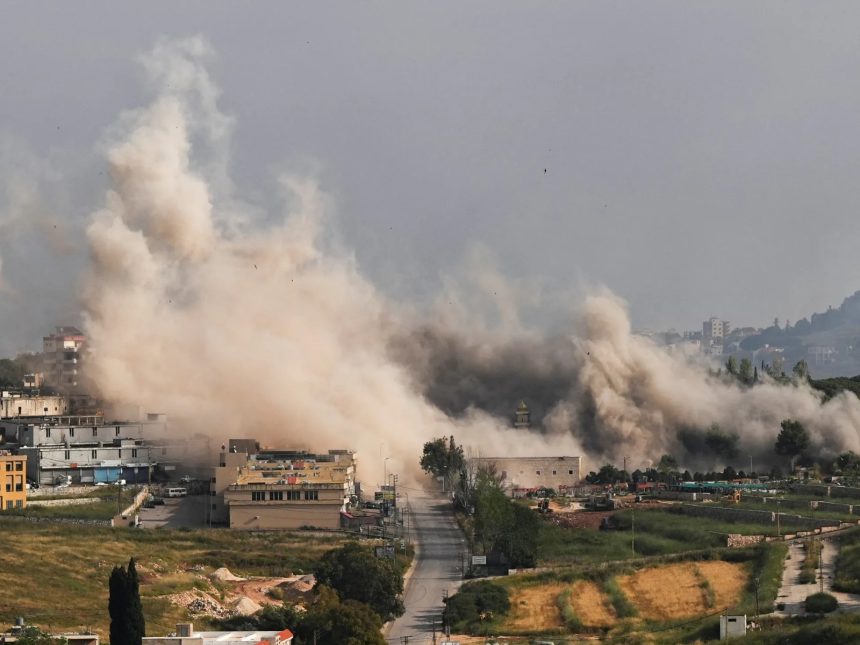
At least 31 people have been killed and 40 others injured in Israeli strikes across southern Lebanon, as military operations intensify and displacement orders spread across multiple towns and villages, according to reports.
The attacks, which also extended into parts of eastern Lebanon, have triggered panic among residents, many of whom are fleeing affected areas amid fears of a wider escalation.

Israeli forces are reportedly pushing deeper into Lebanese territory, with ground operations expanding alongside airstrikes targeting what Israel describes as militant infrastructure.
The escalation comes as tensions continue to rise in the wider region, with Iranian officials accusing the United States of violating a ceasefire through strikes near the Strait of Hormuz on Monday.
Tehran described the attacks in southern Iran’s Hormozgan province as a “gross violation” of diplomatic agreements, while Washington maintained the strikes were defensive, targeting missile systems and vessels allegedly preparing to deploy mines.
Iranian Supreme Leader Mojtaba Khamenei, in an Eid message, warned regional states against hosting US military bases, saying Washington was losing influence across the Middle East.
Iran has also reportedly pushed for the release of $24 billion in frozen assets as part of ongoing negotiations linked to the conflict, according to Iranian media.
Despite renewed strikes, US Secretary of State Marco Rubio said a peace agreement with Iran remains possible, even as analysts warn the fragile ceasefire framework is under severe strain.
In Israel, Prime Minister Benjamin Netanyahu said military operations in Lebanon were being “deepened,” with Israeli forces taking control of strategic areas and expanding what he described as a security buffer zone.
Israeli media also reported an unusual deployment of US military aircraft at Israeli airports, including fighter jets and refuelling planes, raising questions about the scale of foreign military presence amid the ongoing conflict.
Security analysts say the latest escalation signals growing instability along the Israel-Lebanon border, with Hezbollah also continuing to resist Israeli advances, despite intensified strikes.

Reports from southern Lebanon indicate that civilians are once again bearing the brunt of the conflict, with widespread displacement and destruction as diplomatic efforts to restore calm appear to be collapsing.