RismadarVoice Reporters
September 28, 2026
The United States and China have identified about $60 billion worth of goods that could benefit from reduced tariffs following last week’s meeting between US President Donald Trump and Chinese President Xi Jinping.
Under the proposed framework, each country identified goods worth approximately $30 billion for preferential tariff treatment as Washington and Beijing seek to ease some of the trade barriers affecting bilateral commerce.
The United States identified 77 Chinese products for possible tariff reductions, while China listed more than 1,600 American goods that could receive similar treatment.

Chinese products identified under the proposal include microwave ovens, fish hooks, artificial flowers and weighing scales.
American goods listed for possible lower tariffs include poultry, dairy products, noodles, eggs, peanuts, canned tomatoes, pure-bred breeding horses and silk.
US Trade Representative Jamieson Greer said the arrangement was intended to expand market access for American exporters while providing benefits to consumers.
Greer said the Trump administration would continue pursuing what it describes as fair and reciprocal trade with China.
He added that Washington would monitor Beijing’s commitments relating to purchases of American agricultural and energy products while seeking greater access to the Chinese market for US businesses and farmers.
China’s Ministry of Commerce also confirmed the proposed framework, saying the two countries would work towards reciprocal tariff reductions covering approximately $30 billion in trade from each side.
Beijing said the arrangement could contribute to greater stability in bilateral trade, improve conditions for some Chinese exports and strengthen cooperation in sectors including agriculture, energy, manufacturing and consumer goods.
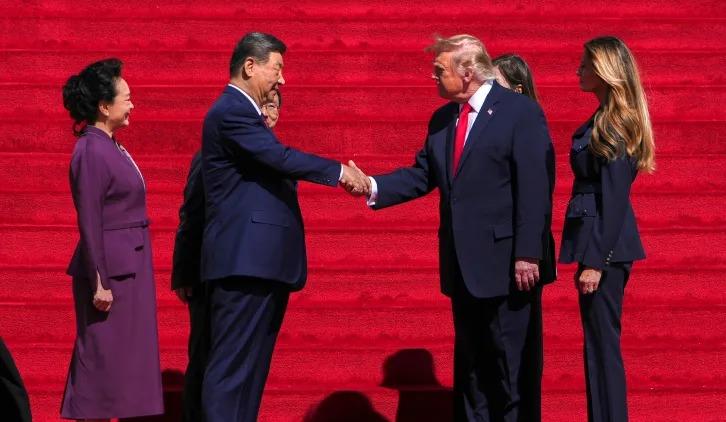
The announcement followed last week’s summit between Trump and Xi, which produced limited agreements despite continuing disagreements between the world’s two largest economies.
Trade remains one of several major areas of contention between Washington and Beijing, alongside artificial intelligence, technology and Taiwan.
Trump and Xi are expected to meet again at the Asia-Pacific Economic Cooperation summit in Shenzhen, China, in November and at the Group of 20 meeting in Miami, Florida, in December.
Trade between the two countries has declined since Trump returned to the White House.
According to figures from the Office of the United States Trade Representative, two-way trade stood at approximately $495 billion in 2025, representing a 25 per cent decline from the previous year.

Deborah Elms, head of trade policy at the Hinrich Foundation in Singapore, said the latest announcement was unlikely by itself to substantially reshape trade relations between the two countries.
She said many of the products covered represented relatively limited portions of overall bilateral trade, although tariff reductions on some goods could translate into lower costs for consumers.
Elms also noted that several agricultural products included on China’s list were either not currently exported to the Chinese market or were traded in relatively small quantities.
The proposed tariff reductions therefore represent a limited step towards easing trade restrictions while broader economic and geopolitical disputes between Washington and Beijing remain unresolved.