RismadarVoice Business
September 18, 2026
The United Arab Emirates and Saudi Arabia are considering additional oil infrastructure, including pipelines, terminals and marine facilities, as they seek greater flexibility in moving crude to international markets amid disruption to shipping through the Strait of Hormuz.
Indian state-owned engineering consultancy Engineers India Limited, EIL, is positioning itself to provide engineering, consultancy and project-management services for some of the proposed projects rather than acting as the owner or operator of the infrastructure.
EIL Chairman Atul Gupta said the company was in discussions with clients in the UAE and Saudi Arabia over potential projects linked to the expansion of alternative oil transportation and storage infrastructure.
The company could become involved through services such as project studies, engineering design, project-management consultancy and engineering, procurement and construction management, depending on contracts eventually awarded.

EIL already has extensive experience in pipelines, oil terminals, strategic storage and other hydrocarbon infrastructure, including previous assignments in the UAE. It also maintains offices in Abu Dhabi and Saudi Arabia.
Gupta said the Middle East conflict had slowed the immediate flow of some orders but was simultaneously creating longer-term opportunities for companies involved in energy infrastructure.
GULF STATES LOOK BEYOND HORMUZ
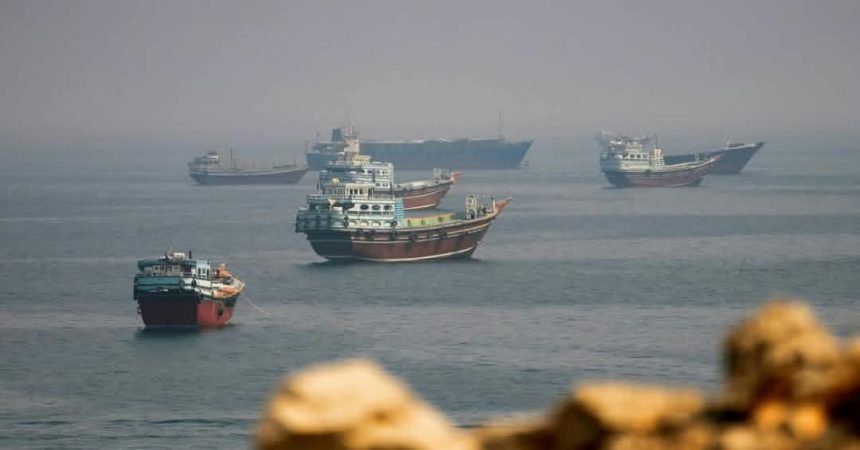
The Strait of Hormuz is one of the world’s most important energy shipping corridors, connecting Gulf oil and gas producers with international markets.
Disruption associated with the Iran conflict has increased attention on infrastructure capable of giving producers additional options for transporting and storing crude outside the waterway.
According to Gupta, projects being considered include pipelines, oil terminals and marine infrastructure.
The UAE is also planning additional underground oil storage facilities at Fujairah, an important energy hub located outside the Strait of Hormuz.
Expanded facilities there could provide greater storage and export flexibility during periods when movements through Hormuz are disrupted.

EIL EYES CONSULTANCY, ENGINEERING CONTRACTS
For Engineers India, the planned Gulf investments represent potential new business rather than projects it has independently initiated.
The company would compete for or negotiate contracts to provide technical expertise to the governments, national oil companies or other project owners responsible for developing the infrastructure.
EIL’s services cover different stages of major energy projects, from early feasibility and engineering studies through detailed engineering, procurement support, construction management and project supervision.
The company currently has an order book of about 170 billion rupees, or approximately $1.77 billion, and Gupta expects its business pipeline to expand as conditions in the Middle East improve.
EIL has been expanding its regional presence, opening an office in Saudi Arabia this year while maintaining its established branch in Abu Dhabi.
The company’s interest in the proposed projects therefore reflects a broader commercial opportunity: as Gulf producers invest in alternative pipelines, storage facilities and export terminals, EIL hopes to secure engineering and consultancy work associated with designing and implementing that infrastructure.