RismadarVoice Reporters, June 17, 2026
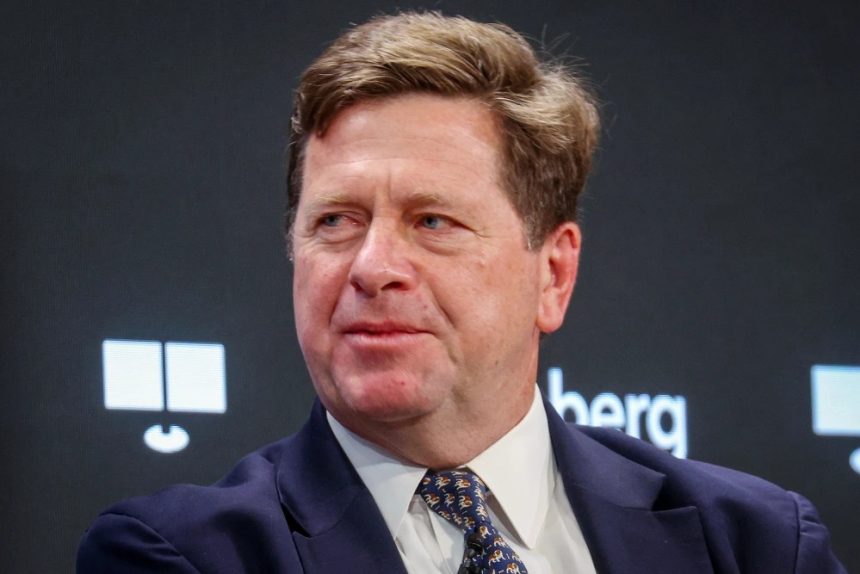
US President, Donald Trump has delayed the confirmation process for Jay Clayton’s nomination as Director of National Intelligence (DNI), linking the move to ongoing disputes in Congress over surveillance legislation and a proposed voter identification bill.
In a statement posted on Truth Social early Wednesday, Trump announced that Clayton’s Senate confirmation hearing, which had been scheduled for the same day, would not proceed as planned. The president said the decision was aimed at pressuring lawmakers to advance legislation requiring voters to present identification before casting ballots.
Trump accused Democratic lawmakers of backing away from what he described as an earlier agreement involving the renewal of Section 702 of the Foreign Intelligence Surveillance Act (FISA), a key intelligence-gathering program that recently expired.

According to the president, Republicans had agreed to replace acting DNI Bill Pulte with Clayton in exchange for Democratic support for extending the surveillance authority. Trump claimed that while Republicans fulfilled their part of the arrangement, Democrats later withdrew their support for the measure.
The president further stated that he would not support the renewal of FISA unless it was tied to the passage of the SAVE America Act, a voting reform proposal that includes voter identification requirements.
Trump also cited another reason for delaying Clayton’s nomination, saying he prefers to keep him in his current position as U.S. Attorney for the Southern District of New York until his proposed successor, attorney Jamie McDonald, receives Senate approval.
As a result, Bill Pulte will continue serving as acting Director of National Intelligence until further notice.
Clayton’s nomination had initially been accelerated due to the expiration of Section 702, a surveillance provision that allows U.S. intelligence agencies to monitor foreign nationals located outside the country without obtaining warrants.
The surveillance program remains a subject of debate in Washington. Supporters argue it is essential for national security, while critics from both major political parties contend that it risks collecting information on American citizens and lacks sufficient safeguards against misuse.

Any legislation renewing FISA would require at least 60 votes in the Senate. Although Republicans hold a majority with 53 seats, bipartisan support would still be necessary for passage.
Senate Democratic Leader Chuck Schumer suggested that Trump’s decision to appoint Pulte as acting DNI had complicated efforts to reach a bipartisan agreement on the surveillance measure.
While some Democrats have expressed support for Clayton’s nomination, others argue that concerns extend beyond Pulte and reflect broader reservations about the administration’s approach to intelligence oversight.