RismadarVoice Reporters
October 9, 2026
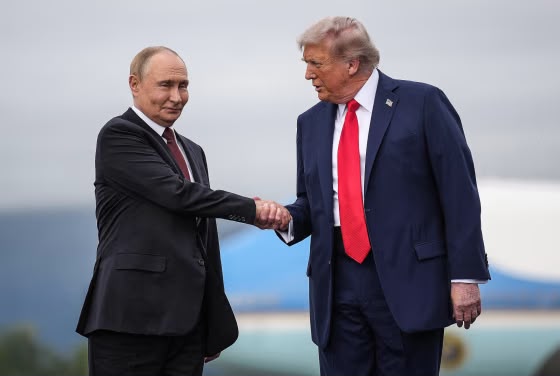
US President Donald Trump has announced a temporary relaxation of sanctions on Russian diesel fuel following assurances from Russian President Vladimir Putin that Moscow is prepared to increase supplies to international markets.
The decision comes amid rising global fuel prices linked to the ongoing conflict involving Iran and disruptions to Russian energy infrastructure caused by the war in Ukraine.
Trump said on Friday that Putin had agreed to release hundreds of thousands of tonnes of diesel fuel, expressing confidence that additional supplies would help ease pressure on international energy prices.
Following the announcement, the US Treasury Department reportedly issued a temporary general licence permitting certain transactions involving Russian-origin diesel, including its sale, delivery and importation, until April 7, 2027.
Putin separately confirmed Russia’s willingness to supply oil and petroleum products to the United States and other international markets.

However, the Russian president did not provide specific figures or a timetable for the proposed shipments.
Russia had restricted diesel exports in July following Ukrainian attacks on its energy infrastructure, with the restrictions subsequently extended through October.
Russian Deputy Prime Minister Alexander Novak indicated that Moscow would begin easing the export restrictions following the understanding reached with Washington.
The development comes as international energy markets face considerable pressure from geopolitical tensions, supply disruptions and concerns about the availability of refined petroleum products.
Trump has repeatedly criticised Ukrainian attacks on Russian oil refineries, arguing that the strikes have contributed to rising fuel prices.
Ukrainian President Volodymyr Zelenskyy, however, has maintained that Kyiv would consider ending attacks on Russian energy facilities only if Moscow agreed to reciprocal restrictions.
Reacting to Washington’s decision, Zelenskyy criticised the relaxation of sanctions, warning that additional energy revenues could strengthen Russia’s ability to finance its military operations.
He described the decision as a sign of weakness in the international response to Russia’s war against Ukraine.
Energy markets reacted to the announcement, with diesel futures reportedly declining by approximately four per cent on Friday.
Despite the decline, diesel prices remained more than 110 per cent above their levels at the beginning of the year, while Brent crude traded at approximately $104 per barrel.
The temporary sanctions relief could allow additional Russian diesel to reach international markets, although its effect on prices will depend on actual shipment volumes, market demand and broader supply conditions.
The development also coincides with preparations for another round of diplomatic discussions involving Ukrainian representatives and US officials.

Ukrainian negotiators were expected to travel to the United States for further talks aimed at ending the conflict.
However, uncertainty remained over whether the latest sanctions decision would affect the timing or direction of those discussions.
The announcement highlights Washington’s attempt to address rising energy costs while maintaining diplomatic efforts to resolve the Russia-Ukraine conflict.