


RismadarVoice Reporters, May 6, 2026
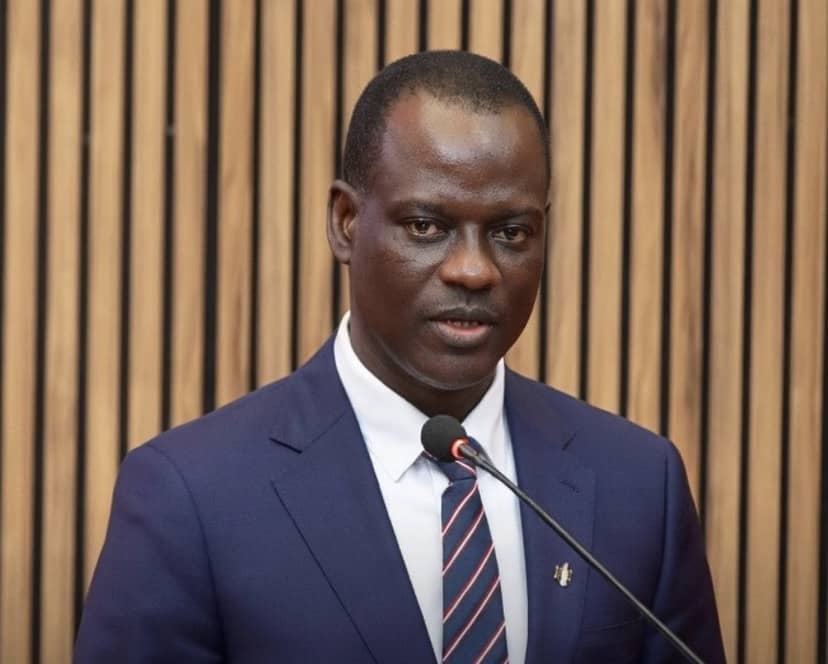
The Minister of Finance and Coordinating Minister of the Economy, Taiwo Oyedele has noted that the President Tinubu Government has ruled out any reversal of the petrol subsidy removal, insisting that the policy shift remains central to its broader economic reform agenda despite rising cost-of-living pressures.
He restated this in Paris during a meeting between President Bola Tinubu and global investors.
Oyedele said the administration would not reintroduce fuel subsidies or impose price controls, arguing that such measures distort the economy and undermine market efficiency.
“We will not bring back fuel subsidy because it creates distortions for the economy, and we won’t introduce price control because we believe in the market,” he said.
The minister’s comments come nearly three years after the removal of petrol subsidy in 2023, a policy that triggered sharp increases in transport, food and energy costs. Inflation has since climbed significantly, with headline figures reaching multi-year highs and food inflation exceeding 39% at its peak in 2024.
Officials say the policy, alongside exchange rate reforms, has contributed to relative stability in the foreign exchange market, even as households continue to face rising living costs.
President Bola Tinubu, speaking to investors at the Paris engagement, defended the reforms, saying the removal of fuel subsidy had reduced fiscal pressure on the economy and improved foreign exchange stability.
According to him, the government is focused on sustaining reforms aimed at removing economic distortions and strengthening macroeconomic fundamentals.
The administration also highlighted ongoing efforts to attract foreign investment, improve transparency in the oil sector, and maintain policy consistency to support long-term growth targets, including its ambition to build a multi-trillion-dollar economy by 2030.
Patience Oniha of the Debt Management Office assured investors of prudent debt strategies and a commitment to sustainable borrowing practices.

The investor meeting, which included representatives from global financial institutions such as Citibank, Amundi, Prudential Global Investment Management, and other major asset managers, reportedly reflected cautious optimism about Nigeria’s reform direction.
While investors praised the government’s economic adjustments, questions were raised about long-term policy consistency and post-2027 economic strategy.
The administration, however, maintained that its focus remains on policy stability, fiscal discipline and ensuring that ongoing reforms translate into tangible improvements in living standards for Nigerians.