RismadarVoice Reporters
May 7, 2026
The Senate on Wednesday rescinded amendments earlier made to its Standing Orders following concerns over constitutional breaches relating to the inauguration of senators-elect and the election of presiding officers of the chamber.
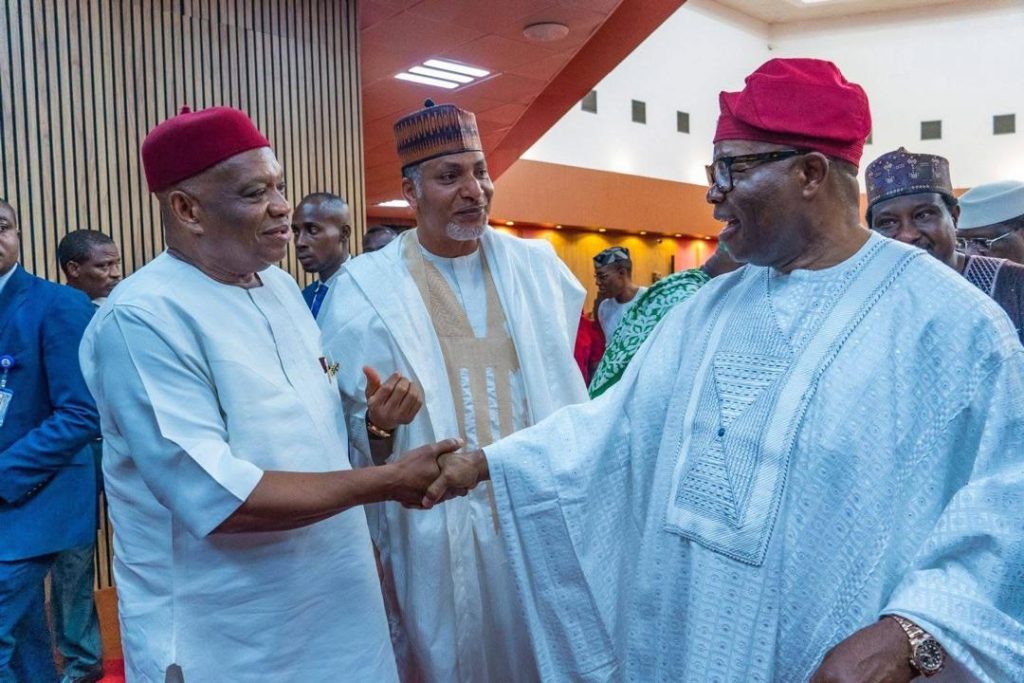
The motion for the rescission and recommittal of the affected provisions was moved during plenary by Senate Leader Opeyemi Bamidele.
Bamidele said the Senate resolved to withdraw amendments made to Order 2(2) and Order 3(1) of the Senate Standing Orders, 2026, after observing that the provisions introduced on May 5, 2026, could create constitutional inconsistencies.
“The Senate accordingly resolves to rescind its earlier decisions relating to the amendments made to Order 2(2) and Order 3(1) of the Senate Standing Orders, 2026,” he said.
He explained that the earlier amendments conflicted with Section 52 of the 1999 Constitution, which allows senators-elect to participate in the election of presiding officers before taking their oaths.
“In other words, Mr President and distinguished colleagues, election of the officers will have to take place, as it has always been, before the swearing-in of senators,” Bamidele stated.
The now-reversed Order 3(1) had stipulated that a senator-elect could not participate in any Senate proceedings, including voting for the election of the Senate President and Deputy Senate President, until taking the prescribed oath.
Traditionally, however, senators-elect are sworn in only after presiding officers are elected under the supervision of the Clerk of the National Assembly, in line with constitutional provisions.
Senate President Godswill Akpabio, while responding to the motion, described it as straightforward and necessary to align the Senate rules with the Constitution.
“This is a very straightforward motion. It is just for us to go in conformity with the Constitution. We don’t need any debate on this,” Akpabio said.
Following the adoption of the motion, Senator Adams Oshiomhole cautioned against hurried legislative amendments without broad consultations among lawmakers.
“I believe the average age in this Senate is over 40, and so we don’t have an excuse for youthful exuberance,” Oshiomhole said.
“So when we are making a law, we should accommodate diverse views. That way, what one person forgot, the other person will remember.”
He also urged that future amendments should be subjected to proper debate before passage.
Reacting, Bamidele criticised the controversy that surrounded the earlier amendment process, during which Oshiomhole and Akpabio reportedly clashed over procedure.
According to him, lawmakers with objections should channel them through substantive motions rather than public confrontation on the floor of the Senate.
“We cannot allow this kind of drama to go on in the Senate. We must put a stop to it,” he said.
“This drama must stop because it is not helping the image of this institution. This is the Senate of the Federal Republic of Nigeria.”
The amendment also introduced a new eligibility requirement for senators seeking election as presiding officers.
Under the revised Order 3(3), a senator must have served at least two terms, including one immediately preceding the election, before qualifying to contest for presiding office.
Other approved amendments affected sitting hours, committee representation across geopolitical zones, suspension procedures, and the establishment of committees on Livestock Development, Reparations and Repatriations, as well as regional development commissions.