RismadarVoice Reporters
September 14, 2026
The prolonged conflict involving Iran is increasingly threatening global oil supply stability, with disruptions around the Strait of Hormuz, the Red Sea and a key Saudi export pipeline reducing the buffers that initially helped energy markets absorb the shock.
Crude oil prices have returned above $100 a barrel as the conflict enters a more uncertain phase, raising concerns that a prolonged disruption could place additional pressure on global fuel supplies, inventories and prices.
The latest escalation has centred on two critical energy routes. Iran-aligned Houthi forces in Yemen have advanced in recent weeks and tightened their grip around the Bab el-Mandeb Strait, the southern gateway to the Red Sea.
The Houthis announced a naval blockade of the route in July and have said shipping remains safe for vessels other than those linked to Saudi Arabia.

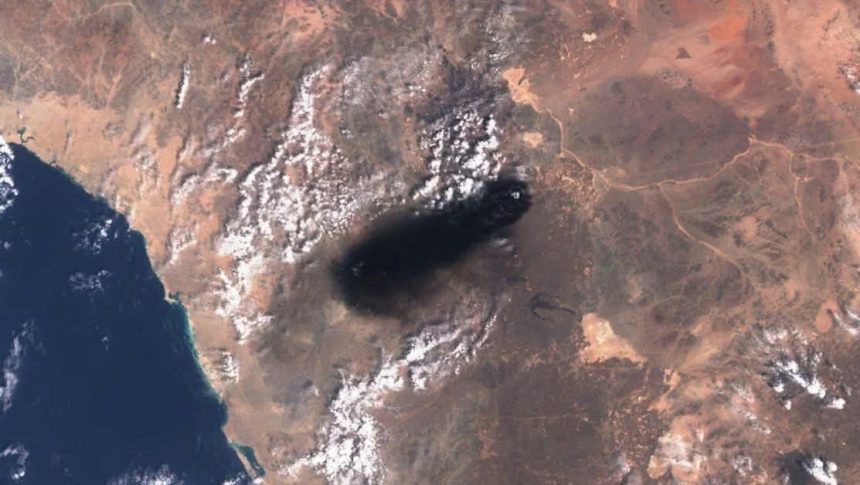
At the same time, Saudi Arabia temporarily shut its 1,200-kilometre East-West oil pipeline after a series of drone attacks launched from Iraq, according to Saudi authorities.
The pipeline has become increasingly important because it provides Saudi Arabia with an alternative route for exporting crude without sending it through the Strait of Hormuz, which has faced repeated disruption since the conflict began in February.
During the first five months of the conflict, Saudi Arabia more than doubled west-coast exports through the pipeline to between 4 million and 5 million barrels per day, equivalent to roughly 4 to 5 per cent of global oil supply.
That alternative route has since come under increasing pressure.
Data from Kpler showed that Saudi shipments through the western route fell to about 2 million barrels per day in August, their lowest level since January, largely because of disruptions linked to the Houthi blockade.
Saudi oil output also fell to about 6 million barrels per day in August, the lowest level in more than three decades, according to the International Energy Agency.

Satellite imagery indicated that at least one pumping station on the East-West pipeline had been hit, although the full extent of the damage and the timetable for repairs remained uncertain.
Saudi Arabia is expected to be able to draw on stored crude to cushion the immediate effect of the pipeline shutdown, but prolonged disruption could place greater pressure on available inventories.
The wider impact is already visible in global oil stocks.
The IEA estimates that global inventories have fallen by about 507 million barrels, equivalent to roughly 2.8 million barrels per day, since the conflict began.
Although oil flows through the Strait of Hormuz have recovered somewhat in recent months, they remain significantly below normal levels.
About 5 million barrels per day of crude and refined petroleum products have passed through the strait since June, according to Kpler, representing roughly a quarter of pre-war levels. The actual volume could be higher because some vessels have switched off their tracking systems while navigating the area.
The security situation remains fragile, however, with Iranian forces striking more than a dozen tankers attempting to cross the strait or operating inside the Gulf during the past week.
The disruption has also hit refined petroleum products particularly hard.

Exports of diesel, gasoline and jet fuel from the Middle East remain almost 60 per cent below pre-war levels, according to the IEA, contributing to fuel shortages and record prices, particularly for diesel.
Any further disruption to Saudi Arabia’s Red Sea exports could therefore intensify pressure on already depleted global inventories.
Shipping companies are also facing higher risks as tanker operators remain reluctant to enter conflict zones. Freight and insurance costs have risen sharply, while naval escorts can reduce but cannot eliminate the risks associated with operating in an active war environment.
The prolonged nature of the conflict is adding another layer of uncertainty to energy markets.
US President Donald Trump said last week that the war could continue until after the November 3 US midterm elections, a significant shift from earlier expectations that the confrontation would last only weeks.
Iran, meanwhile, faces increasing economic pressure from Washington’s efforts to restrict its oil exports, while continued attacks on regional energy infrastructure could provide Tehran and its allies with additional leverage.
The competing pressures could eventually encourage negotiations, but they could also prolong the confrontation if either side believes that continued military or economic pressure will improve its position at the negotiating table.

For months, oil markets had largely assumed that the United States would eventually seek an exit from the conflict as higher gasoline prices and growing economic and political costs mounted.
That assumption is now facing greater uncertainty.
With global inventories already substantially reduced and alternative export routes under pressure, further disruption to Middle Eastern energy infrastructure could leave the international oil market with significantly fewer buffers to absorb another major supply shock.