RismadarVoice Reporters, August 30, 2026
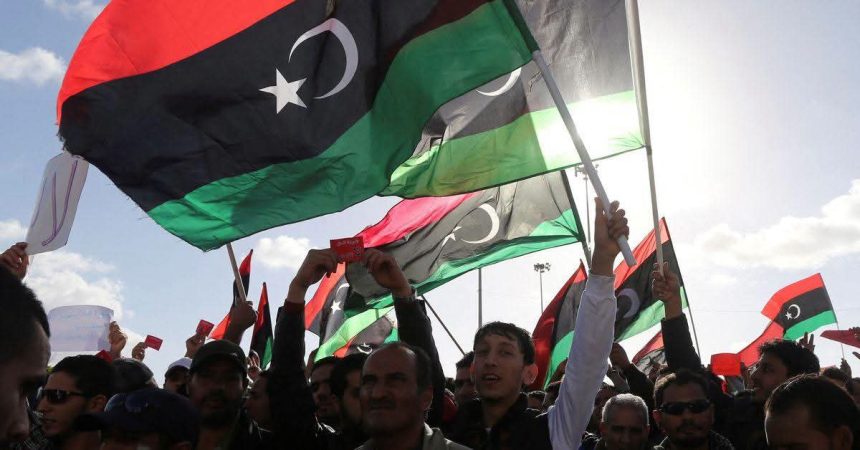
Representatives of Libya’s rival political factions have reached an agreement aimed at paving the way for long-delayed national elections within 24 months, following United Nations-supported negotiations in the capital, Tripoli.
The agreement was signed on Sunday at the headquarters of the United Nations Support Mission in Libya (UNSMIL), as political groups sought to resolve disputes surrounding electoral laws and the restructuring of the country’s election institutions.
The deal followed discussions under the “4+4” framework, which brought together two representatives each from Libya’s four major institutions: the Government of National Unity, the High Council of State, the House of Representatives and the Libyan National Army.

Walid Ellafi, Libya’s state minister for political affairs and communications, said legislative and presidential elections should be conducted within a period not exceeding 24 months under a unified executive authority and with national institutions brought together.
Also speaking after the agreement, Shibani AbuHamoud, head of the army’s general command, said the 4+4 committee would work with UNSMIL to develop an implementation framework within one month.
The agreement provides that if Libya’s House of Representatives and High Council of State fail to approve the deal within one month, the parties would seek alternative national mechanisms to adopt it as a constitutional document, with possible backing from the United Nations Security Council.
Libya has faced years of political instability since the 2011 NATO-backed uprising that led to the removal and killing of longtime leader Muammar Gaddafi.
The country later became divided between rival administrations in the east and west in 2014, although a 2020 ceasefire significantly reduced large-scale fighting.

Previous efforts to hold national elections have repeatedly failed, including a planned presidential and parliamentary election in December 2021 that was postponed after disagreements over candidate eligibility and legal issues.
While major political actors in Libya have continued to call for elections, some citizens remain uncertain over whether the process will lead to meaningful political change or threaten the positions of current power holders.
The latest agreement represents a new attempt by Libya’s political rivals and international partners to restart the country’s stalled democratic transition process.