RismadarVoice Reporters
September 4, 2026
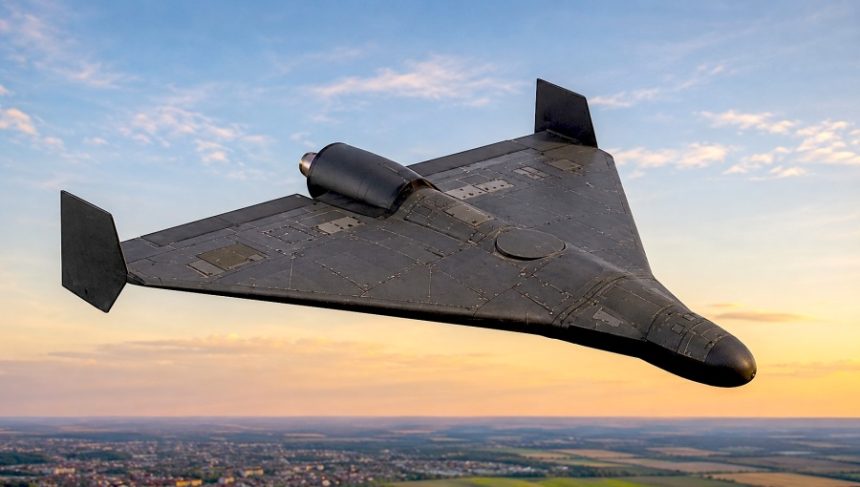
Russia has intensified its aerial attacks on Ukraine with increased use of jet-powered drones, contributing to a rise in civilian casualties as Russian ground forces continue to make limited territorial gains.
At least 38 people were killed in the village of Myla on August 29 after a Russian drone attack struck an ammunition depot, while another 12 people were killed in attacks across Ukraine on September 1, according to reports.
Ukrainian Air Force spokesperson Yurii Ihnat said Russia deployed about 2,800 jet-powered drones in August, compared with approximately 1,500 in July and several times the number launched in June.
According to Ihnat, Ukraine has been able to intercept more than 90 per cent of conventional propeller-powered drones but has had an interception rate of about 60 per cent against the faster jet-powered variants.

The increased use of the drones has placed additional pressure on Ukrainian air defences and contributed to attacks reaching civilian areas.
RUSSIAN CASUALTIES AND FRONT-LINE ADVANCE
Ukraine said Russian forces suffered 42,020 casualties in August, following 42,860 reported casualties in July and 39,290 in June. The figures have not been independently verified.
Ukrainian President Volodymyr Zelenskyy has also shared intelligence indicating that Russia could seek to conscript 300,000 or more troops in October.
Much of the fighting has remained concentrated around Kostiantynivka in the eastern Donetsk region, where Russian forces are seeking to make further advances.
Ukrainian officials say Russian troops have entered large parts of the city but remain vulnerable to Ukrainian drone attacks as Moscow attempts to reinforce its positions.
Despite the fighting, Russia’s territorial gains have slowed significantly.

The Institute for the Study of War estimated that Russia captured slightly more than 90 square kilometres of Ukrainian territory in August, compared with substantially larger gains during the same month last year.
For June, July and August combined, the institute assessed that Russia gained about 160 square kilometres of territory, compared with approximately 1,440 square kilometres during the same period in 2025.
UKRAINE TARGETS RUSSIAN MILITARY AND ENERGY INFRASTRUCTURE
Ukraine has increasingly focused its long-range attacks on Russian air-defence systems, radar installations and drone launch facilities.
Ukraine’s Unmanned Systems Forces said they destroyed 33 Russian air-defence elements in August, bringing the reported annual total to 263.
Ukrainian forces also continued targeting Russia’s energy infrastructure, striking 12 refineries, two gas-processing plants and three oil transhipment terminals during August, according to Ukraine’s Defence Ministry.
Several facilities targeted during the past week were located about 800 kilometres from Ukraine’s border.
The attacks have contributed to fuel shortages and disruptions within Russia, with authorities extending restrictions on diesel exports and seeking additional petrol supplies.

Russia’s Black Sea oil exports through the port of Novorossiysk also reportedly declined from about 800,000 barrels per day in July to 350,000 barrels per day in August, according to Ukraine’s Foreign Intelligence Service.
Russian authorities have acknowledged fuel shortages in occupied Crimea, where access to petrol has been restricted in some areas.
The continued aerial attacks and long-range strikes come as diplomatic efforts to end the war remain ongoing, with US envoys expected to engage Russian and Ukrainian officials in renewed discussions.
The latest developments reflect an intensification of long-range warfare, even as Russian ground forces face slower territorial advances and Ukraine continues targeting military and energy infrastructure inside Russia.