

RismadarVoice Reporters, August 4, 2026
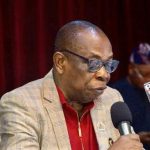
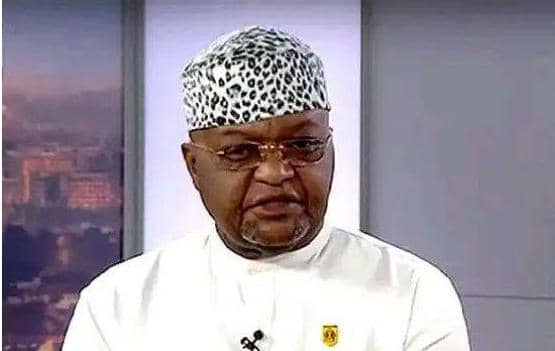
According to reports, Professor Okey Ikechukwu, Executive Director of Development Specs Academy, has expressed concern over the rising cost of living in Nigeria, attributing much of the economic hardship experienced by citizens to the sharp increase in petrol prices following the removal of fuel subsidy.
Speaking during an interview on Channels Television on Monday, August 3, 2026, Ikechukwu said the significant rise in the cost of Premium Motor Spirit (PMS) has placed enormous financial pressure on households and businesses, making it increasingly difficult for many Nigerians to cope with everyday expenses.
He explained that before the current administration, filling the fuel tank of his vehicle was relatively affordable, but the situation has changed dramatically, illustrating the broader impact of rising energy costs on the country’s economy.

According to him, “Before this government, I used to fill my car tank with N11,000. But today I fill it with N107,000 and use it for about a week.”
The political analyst noted that the increase in petrol prices has triggered a chain reaction across various sectors of the economy. He said higher fuel costs have translated into increased transportation fares, more expensive goods and services, and greater financial hardship for millions of Nigerians.
Ikechukwu argued that the effects of the price increase extend beyond motorists, as businesses are also facing higher operating costs while families continue to struggle with rising living expenses. According to him, the growing cost of energy has become one of the clearest indicators of the country’s current economic challenges.
He further stated that persistent inflation has continued to erode the purchasing power of citizens, forcing many households to cut back on spending and prioritise only essential needs. He maintained that the economic situation has compelled many Nigerians to rethink their budgets as the prices of food, transportation, and other necessities continue to rise.

His comments add to the ongoing national conversation about the economic impact of fuel subsidy removal and rising inflation, with many analysts and stakeholders continuing to debate the long-term effects of the government’s economic reforms on the welfare of ordinary Nigerians.