


RismadarVoice Reporters
September 19, 2026
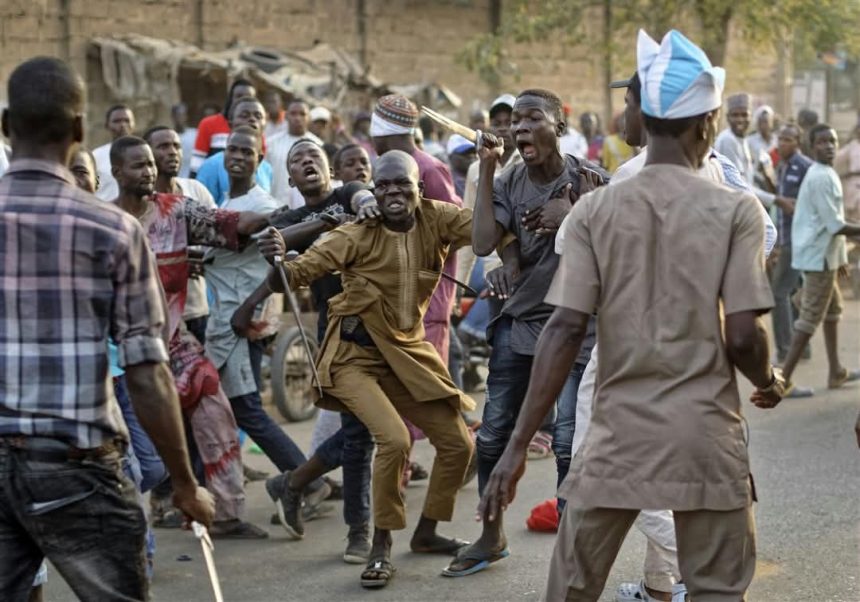
A series of attacks on political gatherings, threats by public figures and disruptions of opposition activities is raising concerns over the security environment ahead of Nigeria’s 2027 general elections.
Political parties, civil society organisations, lawyers and other stakeholders have called for stronger enforcement of electoral laws as campaigns intensify, warning that unresolved incidents could undermine public confidence in the electoral process. Recent reporting from multiple sources has documented growing concerns about political violence and intimidation.
Incidents reported since 2025 have involved different political parties and occurred across several states, including Kaduna, Lagos, Ondo, Cross River, Rivers, Ebonyi, Enugu, Kogi and the Federal Capital Territory.
The incidents have ranged from the disruption of meetings and rallies to destruction of campaign materials and alleged assaults on participants. Some political officeholders have also faced criticism over public statements interpreted by opponents and civil society groups as threatening or intimidating.

OBI’S BENUE INCIDENT ADDS TO CONCERNS
One of the most prominent recent cases involved the obstruction of the convoy of Nigeria Democratic Congress presidential candidate Peter Obi along the Makurdi-Gboko road in Benue State.
Police subsequently arrested 46 suspects in connection with the incident and said investigations were continuing.
The NDC accused suspected hired thugs of deliberately preventing Obi from proceeding with his visit, while the Benue State Government denied involvement in the obstruction. The competing claims have not established who organised the group that blocked the convoy.
A document later showed that the NDC had notified the Benue State Police Command before the visit, and police confirmed receiving the notification and providing security cover.
STAKEHOLDERS SEEK EARLY ACTION
Amid the wider concerns, some legal and civil society stakeholders have called for prompt investigation and prosecution of electoral offences irrespective of political affiliation.
Their argument centres on enforcement of existing laws against intimidation, violence and disruption of lawful political activities rather than attributing responsibility for the wider pattern to one political party without evidence.

They have also drawn historical comparisons with periods of severe political instability during Nigeria’s First and Second Republics. Those comparisons represent warnings from commentators and should not be interpreted as evidence that the current democratic system faces the same outcome.
The immediate concern ahead of 2027 is whether security agencies, electoral authorities and political parties can prevent isolated attacks and threats from developing into a broader pattern of electoral violence.
With campaigns underway, stakeholders are calling for political actors to be allowed to organise, campaign and move freely within the law, while demanding that allegations of political violence be independently investigated and responsibility established on the evidence.