RismadarVoice Reporters, August 6, 2026
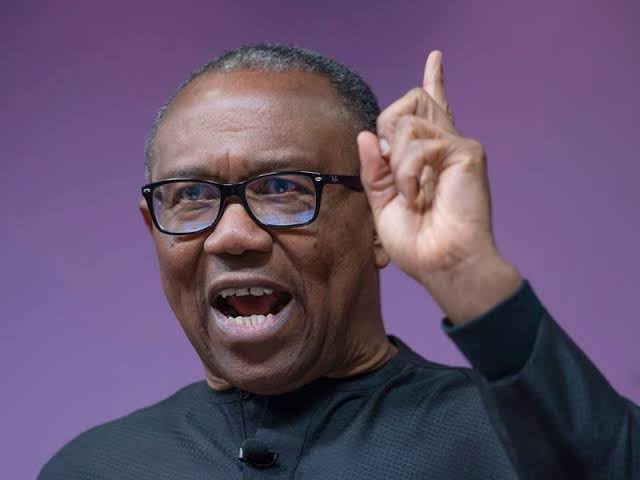
Former Labour Party presidential candidate Peter Obi has urged President Bola Tinubu to heed the Catholic Bishops’ Conference of Nigeria (CBCN), describing the bishops’ comments on national issues as constructive criticism rather than political opposition.
Obi made the call in a statement issued by his media office, signed by his spokesperson, Idris Zekeri.
He criticised what he described as attacks on the Catholic bishops and Cardinal John Onaiyekan following their recent comments on Nigeria’s security and economic challenges.

According to Obi, religious leaders have a responsibility to draw attention to the concerns of ordinary Nigerians and should not be vilified for speaking on issues affecting the country.
He noted that organisations, including the Christian Association of Nigeria, the Nigerian Supreme Council for Islamic Affairs, and Jama’atu Nasril Islam, had also raised concerns about insecurity, poverty, unemployment, and inflation.
Obi, who was governor of Anambra State, said constructive criticism from traditional rulers and religious leaders had helped his administration improve governance, particularly in education and healthcare.
He recalled that religious leaders were able to speak openly during the military era, citing Pope John Paul II’s 1998 visit to Nigeria, when the late pontiff advocated democratic governance and the release of Chief MKO Abiola.
Obi also questioned the apparent contrast between President Tinubu’s attendance at the inauguration of Pope Leo XIV in Rome and subsequent criticism by some government officials and supporters of Catholic clerics over their comments on national issues.

He maintained that insecurity, inflation, unemployment and poverty affect Nigerians irrespective of religion or ethnicity.
The former governor urged the Federal Government to treat feedback from religious leaders as a valuable source of information about conditions at the grassroots and use it to improve policymaking.