RismadarVoice Reporters
August 31, 2026
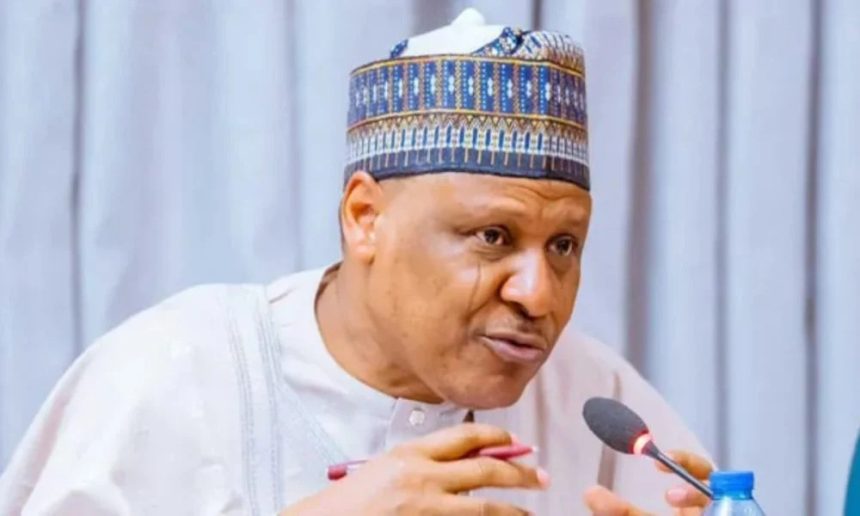
The Minister of Information and National Orientation, Mohammed Idris, has said Nigeria’s economic growth will increasingly depend on the talents, creativity, skills and productivity of its citizens.
Idris made the statement on Monday in Abuja while speaking at a press conference, where he said Nigeria was well positioned to compete in the rapidly changing global economy.
According to the minister, the country’s large youthful population, growing pool of skilled professionals, entrepreneurial culture and strong proficiency in English give it an advantage in the global services economy.
He noted that Nigeria’s export discussions had traditionally centred on physical commodities such as crude oil, agricultural products, solid minerals and manufactured goods.
However, he said the global economy had evolved, making it possible for knowledge, professional expertise, creativity and digital services to cross international borders without the physical movement of goods.
Idris said Nigeria must therefore position its human capital as a major export asset.
“Having talent is not enough. The world must know that the talent exists, and must have confidence in the quality of our professionals and businesses,” he said.

He explained that the Federal Ministry of Information and National Orientation would support efforts to promote Nigerian talent and build international confidence in the country’s professionals and businesses.
The minister said communication would play a critical role in presenting Nigeria’s capabilities to the international community.
He added that the government would work through its communication platforms, agencies and partnerships to ensure that the country’s talent and services received greater visibility both domestically and abroad.
Idris also encouraged young Nigerians to take advantage of opportunities created by the digital economy, stressing that participation in the global marketplace no longer necessarily requires relocating abroad.
He said Nigerians with the right skills, infrastructure, professional standards and access to international markets could remain in the country while providing services to clients and employers around the world.
According to him, such a model would generate foreign exchange, increase tax revenues and strengthen Nigeria’s pool of skills and knowledge.
The minister further disclosed that the Federal Government had introduced a strategy aimed at positioning Nigeria as a major hub for talent and services exports.

He said the initiative has an ambition of generating one million export-linked jobs within five years.
Idris maintained that the country’s economic transformation would increasingly be driven by its people rather than only by traditional commodity exports.
“The future of Nigeria’s economy will increasingly be driven by the talent, creativity, skills and productivity of our people,” he said.
He added that Nigeria was prepared to compete internationally and urged the global community to look to the country as a source of skilled talent and professional services.