RismadarVoice Reporters
October 15, 2026
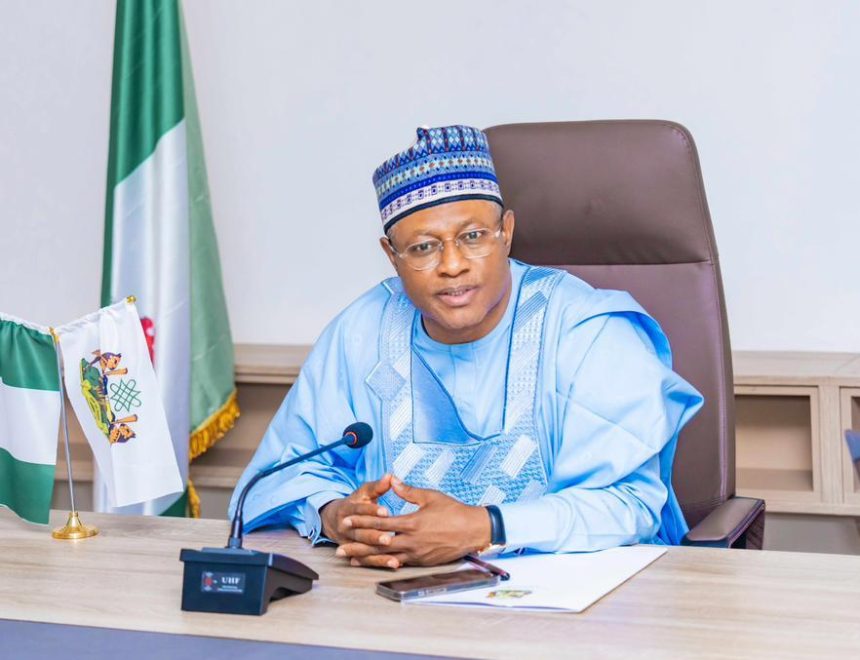
Kaduna State Governor, Uba Sani, has signed into law the establishment of the Kaduna State College of Post-Basic Nursing Sciences in Rigasa, Igabi Local Government Area, to strengthen specialist nursing education and address shortages of skilled healthcare professionals.
The state Commissioner for Information and Culture, Ahmed Maiyaki, disclosed the development in a statement on Thursday, describing the institution as an important component of the government’s healthcare workforce development programme.
The college, established under the Kaduna State College of Post-Basic Nursing Sciences, Rigasa Law, 2026, will operate as a specialised tertiary institution dedicated to advanced nursing education, professional development and clinical training.
According to Maiyaki, the institution will have its main campus in Rigasa, with provisions for additional campuses, schools and training centres, subject to regulatory approval.
He explained that the college would provide specialised training in midwifery, psychiatric and mental health nursing, perioperative nursing, paediatric nursing, accident and emergency nursing, intensive care nursing, public health nursing and nursing administration.

The commissioner said the initiative was designed to increase the availability of qualified specialist nurses and improve the quality of healthcare services across Kaduna State, particularly in communities experiencing shortages of trained medical personnel.
Beyond academic instruction, the institution is expected to promote healthcare research, continuous professional development and collaboration with teaching hospitals, universities and other accredited medical institutions.
Maiyaki disclosed that the legislation provides for a Governing Council responsible for institutional oversight, policy direction and administration.
An Academic Board will also oversee academic standards, research activities, professional training and related educational responsibilities.
He emphasised that the college’s academic programmes would be subject to accreditation and professional requirements prescribed by the Nursing and Midwifery Council of Nigeria and other relevant regulatory bodies.
The commissioner linked the establishment of the institution to the state government’s wider healthcare reforms, including plans to upgrade 255 primary healthcare centres, rehabilitate 16 general hospitals and strengthen the recruitment and training of healthcare workers.
He explained that expanding healthcare infrastructure without a corresponding increase in qualified personnel would limit the effectiveness of investments in the sector.
According to him, the new college is intended to help close that gap by developing professionals with the expertise required to deliver specialised clinical services.

Maiyaki further stated that the institution would contribute to improving maternal and child healthcare, emergency medical services, critical care and other areas requiring advanced nursing skills.
He expressed confidence that the college would strengthen Kaduna State’s healthcare workforce and support improved service delivery across public health institutions.
The commissioner reaffirmed the administration’s intention to develop the college into a centre of excellence for specialist nursing education, research and clinical practice.
He added that the initiative formed part of Governor Sani’s commitment to expanding access to quality healthcare and building a sustainable, professionally trained medical workforce capable of meeting the state’s growing healthcare needs.