RismadarVoice Reporters
September 30, 2026
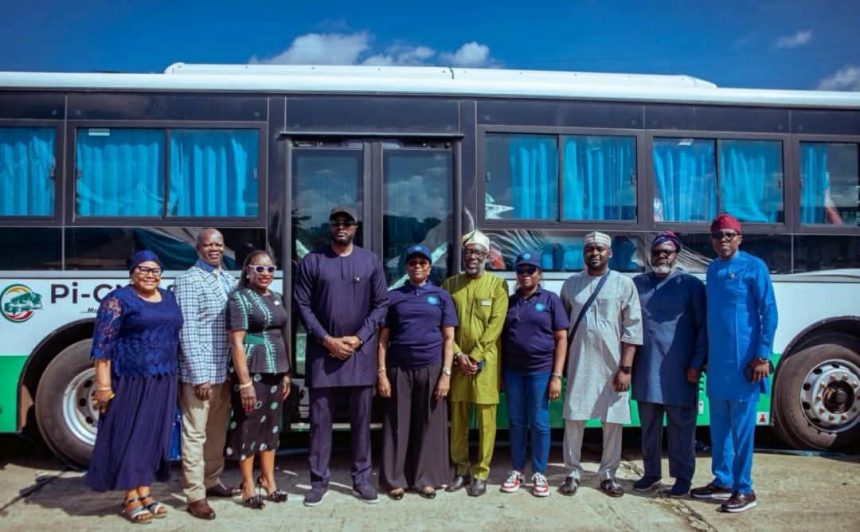
The Presidential Initiative on Compressed Natural Gas and Electric Vehicles has delivered 20 high-capacity CNG buses to the Lagos Metropolitan Area Transport Authority as part of efforts to expand cleaner and more affordable public transportation.
The buses were handed over at LAMATA’s headquarters in Lagos on Wednesday, a day before the Federal Government’s October 1 target for more Nigerians to begin experiencing measurable reductions in transportation costs through increased deployment of CNG and electric vehicles.
Speaking at the handover ceremony, LAMATA Managing Director and Chief Executive Officer, Engr. Abimbola Akinajo, said the additional buses represented another step towards providing Lagos residents with efficient, affordable, reliable and sustainable public transportation.
Akinajo said the buses would increase passenger-carrying capacity, improve connections between communities and support economic activities across the state.
She urged operators receiving the vehicles to ensure their proper deployment and maintenance.
Lagos State Commissioner for Transportation, Oluwaseun Osiyemi, said the high-capacity buses would enable operators to transport more passengers with fewer vehicles and could help reduce waiting times on routes where they are deployed.
Pi-CNG & EV Chief Operations Officer, Tosin Coker, described Lagos as an important part of Nigeria’s transition towards alternative transport energy and urged operators to maintain the buses properly.

According to Akinajo, about 150 CNG buses are already operating within Lagos’ regulated bus transport system.
She said the additional vehicles would help address capacity gaps on high-demand routes, including the Ikorodu-TBS corridor.
Akinajo also said the use of CNG and electric buses was helping the transport authority manage increasing operating costs without transferring the full impact to commuters through higher fares.
The deployment comes as the Federal Government intensifies efforts to expand the use of CNG following the removal of the petrol subsidy.
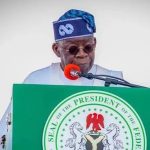
President Bola Tinubu had earlier said the Federal Government and the 36 state governors agreed on an objective for more Nigerians to begin experiencing measurable reductions in transportation costs from October 1.
The President said more than 120,000 vehicles had been converted to CNG nationwide, while the country had over 400 certified conversion centres and more than 90 CNG refuelling stations.
The Lagos State Transport Policy also provides for increased adoption of cleaner energy in public transportation, including a target for 52 per cent of buses used for Bus Rapid Transit operations to be powered by clean energy by 2050.

The Federal Government says continued expansion of CNG infrastructure and public transport fleets is intended to reduce dependence on petrol and provide a lower-cost alternative for motorists and commuters.