RismadarVoice Reporters
November 14, 2026
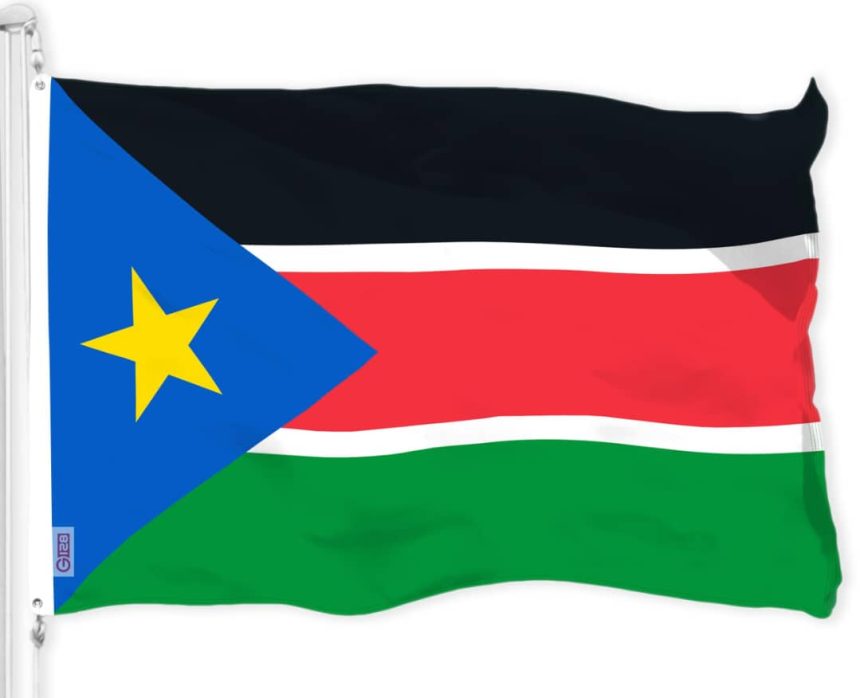
South Sudan has postponed its first national elections since independence from December 22, 2026, to February 11, 2027, citing the need for additional preparations amid continuing political tensions and insecurity.
The National Elections Commission announced the revised timetable on Saturday, November 14, the same day nationwide voter registration was scheduled to begin.
Commission spokesperson Josephine Achiro Fortelo confirmed the new date, explaining that the decision followed consultations with relevant stakeholders.
According to the commission, the adjustment will allow more time for the distribution of electoral materials, establishment of registration centres and completion of logistical arrangements.
Under the revised timetable, voter registration will run from November 14 to 28 across 3,161 designated centres in the country’s 10 states and three administrative areas.
The commission said more than 22,000 personnel had been recruited to support the exercise, although the distribution of materials to some remote locations remained a challenge.

Political campaigns are scheduled to begin on December 27 and conclude on February 9, ahead of voting on February 11.
The postponement represents another setback in South Sudan’s prolonged transition to elected government.
Since gaining independence from Sudan in July 2011, the country has yet to conduct a nationwide general election.
Previous election plans were repeatedly delayed because of political disagreements, insecurity and difficulties implementing the 2018 peace agreement.
The agreement followed a devastating civil war that began in 2013 after tensions escalated between President Salva Kiir and his political rival, Riek Machar.
Although the peace deal established a framework for power-sharing and institutional reforms, its implementation has faced persistent challenges.
Political tensions worsened in March 2025 when Machar was placed under house arrest. He subsequently faced criminal charges, including crimes against humanity, which remain subject to judicial proceedings.
In September 2026, the United Nations Commission on Human Rights in South Sudan warned that the country lacked adequate safeguards and conditions for peaceful and credible elections.
Civil society organisations have also expressed concerns about electoral readiness, political participation and security in conflict-affected communities.

The revised timetable has raised additional legal questions because the February polling date extends beyond the December 2026 deadline provided for under the existing electoral framework.
Despite these concerns, the electoral commission says preparations are continuing.
The February vote, if conducted as scheduled, would mark South Sudan’s first nationwide election since independence and an important stage in its long-running political transition.