RismadarVoice Reporters
November 6, 2026
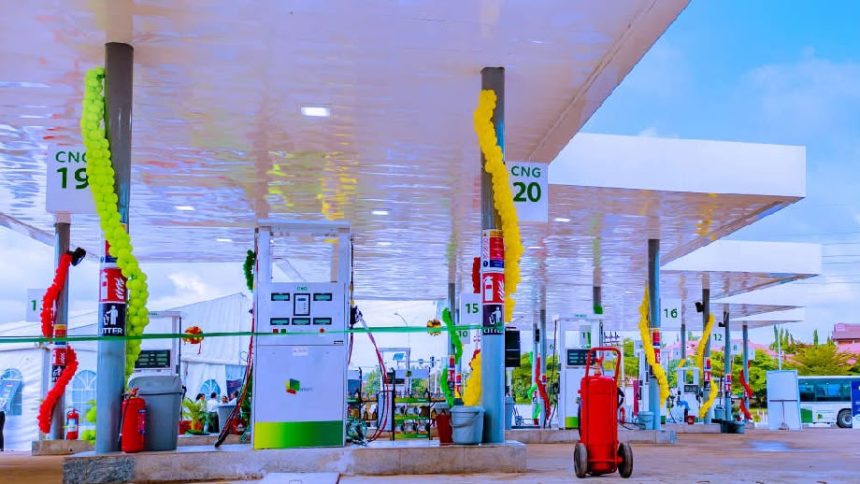
The Federal Government of Nigeria is considering deploying mobile Compressed Natural Gas (CNG) refuelling stations to rural communities as part of efforts to reduce energy costs for farmers and improve agricultural productivity.
The Chairman and Chief Executive Officer of the Presidential CNG Initiative and Electric Vehicles (Pi-CNG & EV), Ismaeel Ahmed, disclosed the proposal at the APC Progressive Strategy Roundtable in Abuja.
Speaking during a session on affordable energy and transportation, Ahmed said mobile refuelling facilities could serve communities where private investors might not find it commercially attractive to establish permanent CNG stations.
He explained that consultations with northern state governments had revealed g interest in using CNG-powered an alternativeumps as alternatives- to ediesel-poweredve petrol and diesel equipment.
According to Ahmed, farmers in Jigawa State were particularly interested in accessing cheaper energy to support dry-season agricultural production.
He said the state government had identified more than two million farmers who could potentially benefit from improved access to affordable irrigation energy.
Ahmed also cited differences in irrigation capacity, stating that some mechanical pumps could serve approximately three hectares of farmland, compared with about one hectare for certain solar-powered systems.

However, actual irrigation coverage depends on equipment capacity, water availability and operating conditions.
The initiative’s chairman identified inadequate gas infrastructure and delays in licensing CNG refuelling stations as major challenges to expanding the programme.
He urged the Nigerian Midstream and Downstream Petroleum Regulatory Authority to accelerate approvals for qualified investors while maintaining necessary safety standards.
The proposal follows earlier discussions between the Presidential CNG Initiative and Jigawa State Government on converting conventional irrigation pumps to CNG.
Governor Umar Namadi had disclosed that energy expenses accounted for more than half of operating costs for some farmers, making cheaper fuel alternatives increasingly important.
Beyond agriculture, the Abuja roundtable examined electricity access, domestic refining, transportation and energy security.
Officials discussed plans to expand rural electrification through mini-grids and improve electricity supply to underserved communities.
The discussions also covered challenges facing Nigeria’s public refineries, petroleum supply monitoring and opportunities for domestic electric vehicle and battery production.
Participants raised concerns about electricity tariffs, distribution company services and the affordability of energy for households and businesses.

The Federal Government maintained that expanding alternative energy infrastructure could reduce operating costs and support economic activities.
However, no implementation timetable, funding allocation or confirmed deployment locations were announced for the proposed mobile CNG stations.
The initiative’s effectiveness will depend on reliable gas supply, equipment conversion costs, regulatory approvals and the availability of suitable refuelling infrastructure in rural communities.