


RismadarVoice Reporters
September 5, 2026
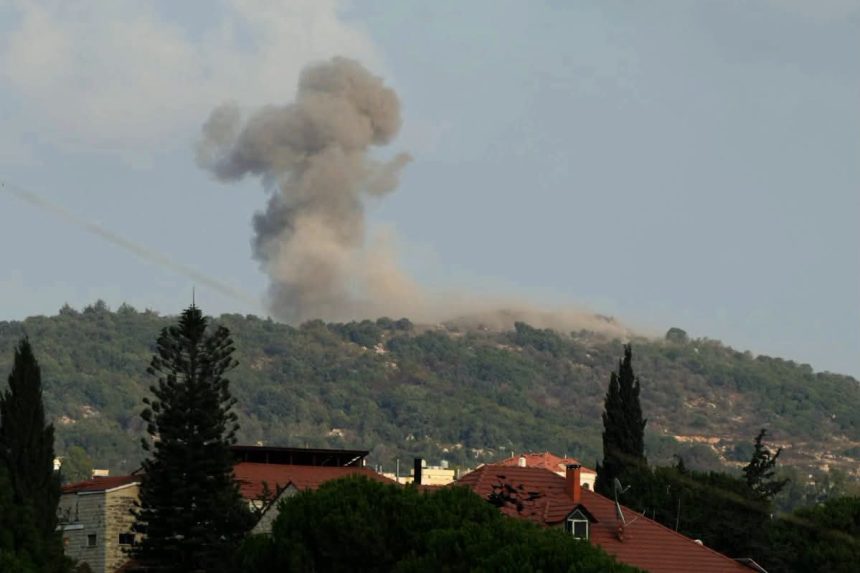
Israel has announced that its military has established operational control over the strategically important Ali al-Taher ridge in southern Lebanon following an extended operation targeting positions linked to Hezbollah.
Israeli Defence Minister Israel Katz said Israeli forces had removed Hezbollah fighters from what he described as an underground tunnel network beneath the contested highland area, which is located about 15 kilometres from the Lebanon-Israel border.
Katz said the capture of the ridge represented a significant step in Israel’s stated objective of maintaining a security zone in southern Lebanon until Hezbollah is disarmed and threats to communities in northern Israel are eliminated.

“Israel will not withdraw from the security zone in Lebanon until Hezbollah is disarmed throughout Lebanon and the threats to the residents of the Galilee are removed,” Katz said, according to Israeli media reports.
Hezbollah has not issued an official response to Israel’s claims over control of the ridge.
The development comes amid continued tensions between Israel and Hezbollah, with both sides engaged in recurring clashes since October 2023. The conflict has intensified during several periods, including major escalations in 2024 and 2026.
The Ali al-Taher ridge, which rises about 600 metres above sea level, is considered strategically significant because of its elevated position overlooking parts of southern Lebanon and northern Israel.
Israeli forces have continued military operations in southern Lebanon despite a ceasefire agreement reached in June. Israel has also established what it describes as a security buffer zone, while Lebanese officials and rights groups have raised concerns over the impact of military operations on civilian areas and infrastructure.
Security analysts said control of the ridge could provide Israel with improved surveillance and military positioning in southern Lebanon, while also increasing pressure on the Lebanese government over Hezbollah’s presence in the region.
Ahron Bregman, an Israeli security analyst at King’s College London, said the move represented a tactical and strategic gain for Israel by strengthening its control over key terrain.

However, Nicholas Blanford of the Atlantic Council said questions remained over the extent of Israel’s control and whether Hezbollah’s lack of response indicated a political arrangement or a different interpretation of the situation.
The situation has also raised concerns over a possible wider regional escalation, with Iran previously warning the United States that it would respond if Israeli attacks on the ridge continued.
Analysts said developments in southern Lebanon could have broader political consequences in Israel, where Prime Minister Benjamin Netanyahu faces upcoming elections and continued scrutiny over his government’s handling of regional conflicts.