RismadarVoice Reporters
October 22, 2026
The condition of the woman diagnosed with Ebola virus disease in Abuja has reportedly deteriorated into multi-organ failure, prompting heightened surveillance and emergency preparedness across Nigeria.
The Nigeria Centre for Disease Control and Prevention (NCDC) identified the infection as the Bundibugyo strain, which is responsible for an ongoing outbreak in the Democratic Republic of the Congo.
Speaking during an emergency meeting in Abuja on Wednesday, the agency’s Director of Public Health Laboratory Services, Olajumoke Babatunde, disclosed that three rounds of molecular testing had confirmed the strain.
Reports also identified the patient as having diplomatic connections, although her identity and the precise circumstances of her infection remain under investigation.
The World Health Organisation confirmed Nigeria’s imported Ebola case on October 20, stating that the woman developed symptoms on October 7 and sought treatment at a private hospital in Abuja on October 11.
She is receiving medical care in isolation, while health authorities investigate her travel history and possible exposure.

At least 44 contacts have been identified for monitoring. The Federal Government has also introduced travel restrictions for 46 potentially exposed individuals for 21 days, including two domestic staff.
Minister of Aviation and Aerospace Development, Festus Keyamo, directed aviation authorities to notify airlines of the restrictions and strengthen health surveillance at airports.
Meanwhile, Coordinating Minister of Health and Social Welfare, Professor Muhammad Ali Pate, assured Nigerians that containment measures were being implemented in collaboration with international health authorities.
Pate urged citizens to remain vigilant without panicking, stressing that Nigeria’s experience in managing the 2014 Ebola outbreak had strengthened its emergency response capabilities.
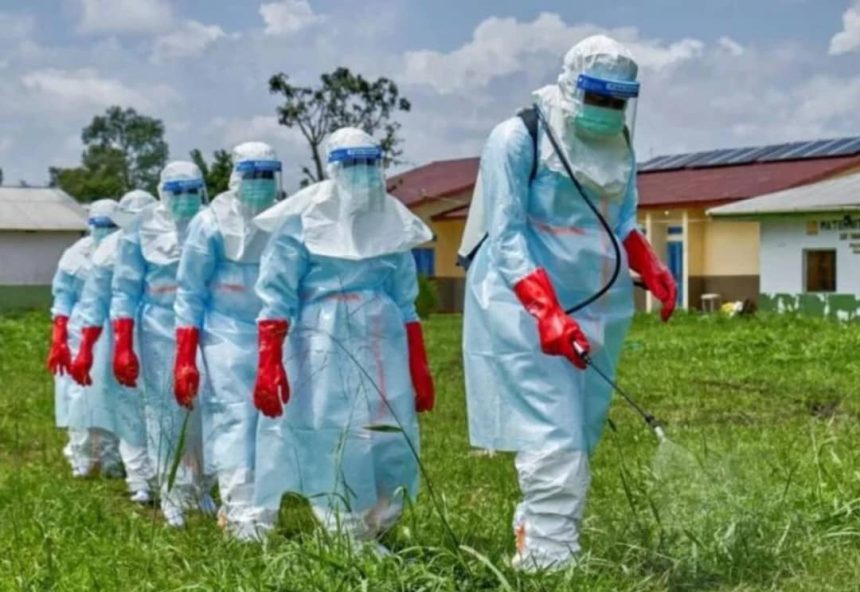
Several states, including Enugu, Kano, Yobe and Ekiti, have activated or strengthened disease surveillance, emergency response teams and infection-prevention arrangements.

The National Assembly has also called for enhanced screening at airports, seaports and land borders, alongside increased funding for public health agencies.
The Bundibugyo strain currently has no approved vaccine or strain-specific treatment, making early detection, isolation, supportive medical care and contact tracing particularly important.
Health authorities have advised Nigerians to avoid direct contact with the bodily fluids of suspected patients and promptly report possible exposure.
Officials emphasised that individuals identified through contact tracing are not automatically infected and must undergo appropriate monitoring and assessment.