RismadarVoice Reporters
October 22, 2026
The Federal Government of Nigeria has directed aviation authorities to restrict 46 persons identified as contacts of Nigeria’s confirmed Ebola patient from travelling by air for 21 days, as efforts intensify to prevent further transmission of the disease.
The Minister of Aviation and Aerospace Development, Festus Keyamo, issued the directive to the Nigeria Civil Aviation Authority (NCAA) following a virtual meeting with the Coordinating Minister of Health and Social Welfare, Professor Muhammad Ali Pate, on Wednesday, October 21.
According to Keyamo, the restriction affects 44 individuals who had contact with the infected patient at a hospital in Abuja, alongside two members of her domestic staff.
The minister explained that the measure was intended to prevent possible transmission while health authorities monitor the exposed individuals and determine whether they have contracted the virus.
He directed the NCAA to immediately notify all domestic and international airlines of the travel restriction.
The 21-day monitoring period corresponds to the maximum incubation period of Ebola virus disease, during which symptoms may develop following exposure.
However, being identified as a contact does not mean that an individual has tested positive for Ebola.
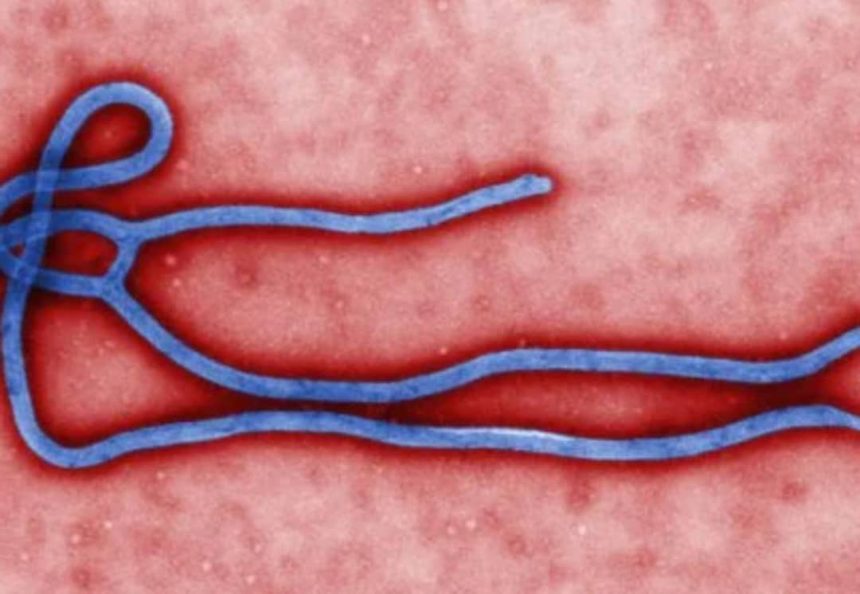
The development followed Nigeria’s confirmation of an imported case of Ebola Bundibugyo virus disease on October 20, the country’s first confirmed Ebola case since the 2014 outbreak.

According to the World Health Organisation (WHO), the patient is a woman who recently travelled from Uganda to Nigeria.
She reportedly arrived on October 3, developed symptoms on October 7 and sought medical attention at a private healthcare facility in Abuja on October 11.
Laboratory investigations subsequently confirmed infection with the Bundibugyo virus on October 20.
The woman is receiving medical care in isolation, while investigations continue to establish her likely source of infection and identify other possible contacts.
As part of the emergency response, Keyamo also directed the Federal Airports Authority of Nigeria (FAAN) to strengthen surveillance and health screening at international airports nationwide.
The measures include temperature checks, travel-history assessments, digital health declarations and closer coordination with the Nigeria Centre for Disease Control and Prevention (NCDC).
The NCDC has activated its incident management system, while the WHO and other health partners are supporting contact tracing, infection prevention and the provision of protective equipment.
Ebola spreads through direct contact with the blood or bodily fluids of an infected person who has developed symptoms, or through contaminated materials.
Common symptoms include fever, weakness, headache, muscle pain, vomiting and diarrhoea.
Health authorities have advised Nigerians to remain vigilant, observe appropriate hygiene measures and promptly report suspected symptoms or exposure to health officials.

The WHO has also urged countries to strengthen disease surveillance and emergency preparedness while advising against general travel or trade restrictions targeting affected countries.
Nigeria successfully contained an Ebola outbreak in 2014 through coordinated public health interventions, including isolation, contact tracing and infection prevention.
The latest measures are aimed at preventing further transmission while protecting travellers, healthcare workers and the wider public.