


RismadarVoice Reporters
September 30, 2026
Middle East oil exports have recovered to their highest level since the conflict with Iran began in February, potentially reducing some of Tehran’s leverage over the strategically important Strait of Hormuz as diplomatic efforts continue.
Commodity data indicate that crude exports from the Middle East reached approximately 16.3 million barrels per day in September, approaching 80 per cent of levels recorded before the conflict.
The recovery has been driven largely by increased shipments from Saudi Arabia and the United Arab Emirates, alongside the use of alternative export routes and increased tanker movements.

Crude flows through the Strait of Hormuz itself were estimated at 9.7 million barrels per day during September, remaining substantially below normal pre-conflict levels.
The recovery in regional exports comes despite continuing security risks in and around the waterway.
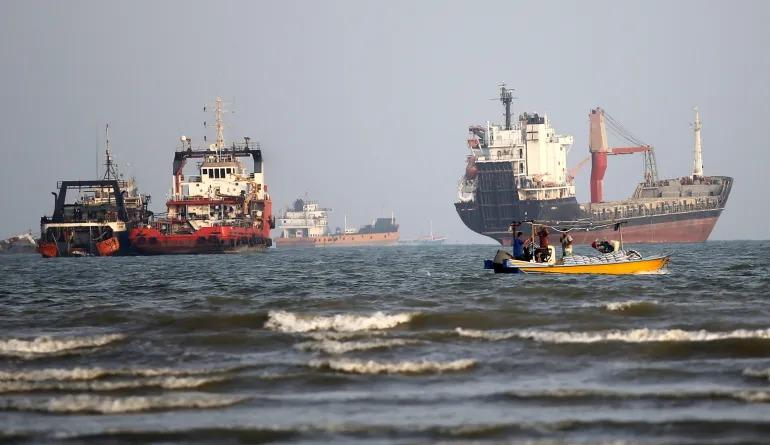
Maritime authorities reported that three vessels were struck by unknown projectiles in separate incidents in the Strait of Hormuz on Tuesday, highlighting the continuing dangers facing commercial shipping.
Shipping and insurance costs also remain elevated as operators assess the risks associated with moving vessels through the region.
The Strait of Hormuz remains one of the world’s most important energy corridors, connecting major Gulf oil and gas producers with international markets.
Disruption to the waterway since the conflict began has contributed to volatility in global energy markets and forced Gulf producers and shipping companies to develop alternative arrangements for moving supplies.
The partial recovery in exports could affect negotiations between Iran and the United States by reducing some of the immediate pressure created by restrictions on Gulf energy shipments.
Diplomatic efforts between Washington and Tehran are continuing through regional mediators.
Iran has proposed measures aimed at restoring normal maritime traffic through the Strait of Hormuz as part of a broader agreement involving sanctions, the naval blockade and other outstanding issues.

The United States has responded to the latest Iranian proposals through Qatari mediators, although significant disagreements remain over how and when proposed measures would be implemented.
Despite the recovery in oil exports, conditions in the Strait remain volatile, with continuing attacks on commercial vessels and uncertainty surrounding negotiations.
The combination of recovering energy shipments, persistent maritime security threats and continuing diplomatic talks is expected to remain central to developments in the region.