RismadarVoice Reporters, June 14, 2026
An Iranian woman is among a group of migrants scheduled for deportation from the United States to the Central African Republic (CAR), according to immigration lawyers involved in the case, raising renewed concerns over Washington’s use of third-country deportation arrangements.
Lawyers said the woman had previously been granted court protection against removal to Iran after judges determined she faced a credible risk of persecution on political or religious grounds. Despite that ruling, she is among approximately two dozen migrants expected to arrive in Bangui following a deportation flight from the United States.
The flight, which departed from Louisiana, reportedly included nationals from several countries, including Iran, Jordan, Armenia, Turkey, Georgia, and Afghanistan. However, the exact number of passengers has not been officially confirmed.

Immigration advocates say the case reflects a broader trend in which the US government has entered agreements with third countries to accept deported migrants who are not their citizens. Critics argue that such arrangements may bypass protections granted by US courts, particularly in asylum cases involving individuals who have been deemed at risk if returned to their home countries.
In this instance, lawyers representing the affected migrants said multiple Iranian women were initially scheduled for deportation to the Central African Republic, although emergency court orders reportedly halted the removal of at least two of them pending further judicial review. An elderly Syrian man was also said to have received a temporary injunction stopping his deportation.
US immigration authorities have not publicly commented on the specific case, citing policy restrictions on discussing ongoing or planned removal operations.
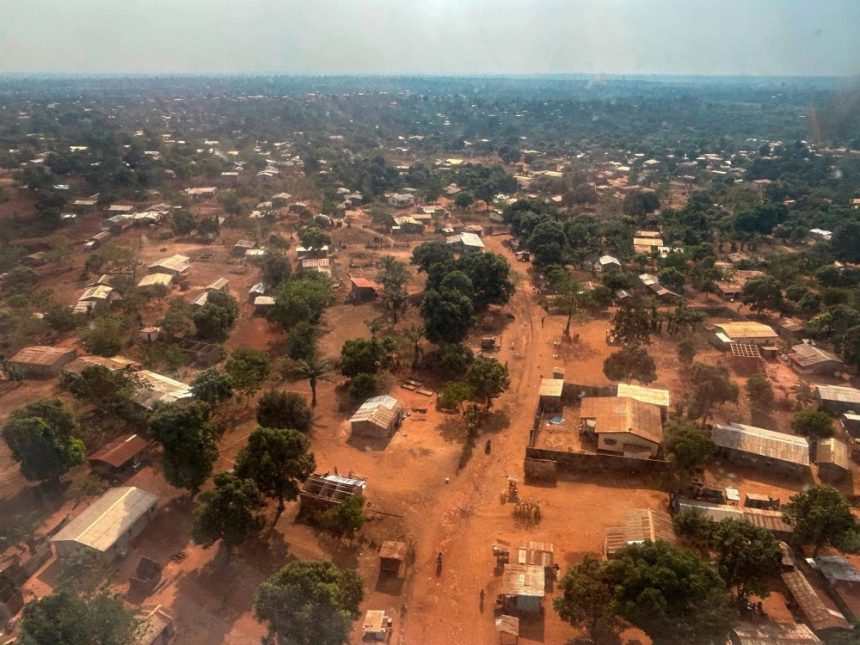
The Central African Republic, one of the world’s poorest countries, has faced years of internal conflict involving government forces and armed groups. Despite its mineral wealth, a significant portion of the population lives in extreme poverty.

The country has also become a strategic partner for Russia in Africa, with security cooperation involving Russian-linked mercenary groups and government-aligned forces, a factor that has raised additional concerns among legal advocates about the safety of deportees sent there.
Human rights lawyers involved in the case warn that the use of third-country deportations may place vulnerable asylum seekers in environments where protections are uncertain, particularly when their original asylum claims were based on fears of persecution in their home countries.