RismadarVoice Reporters
October 13, 2026
Iran has threatened further attacks on oil tankers operating through the Strait of Hormuz, accusing the United States and the United Arab Emirates of coordinating a maritime transport arrangement designed to maintain Gulf energy exports despite the ongoing conflict.
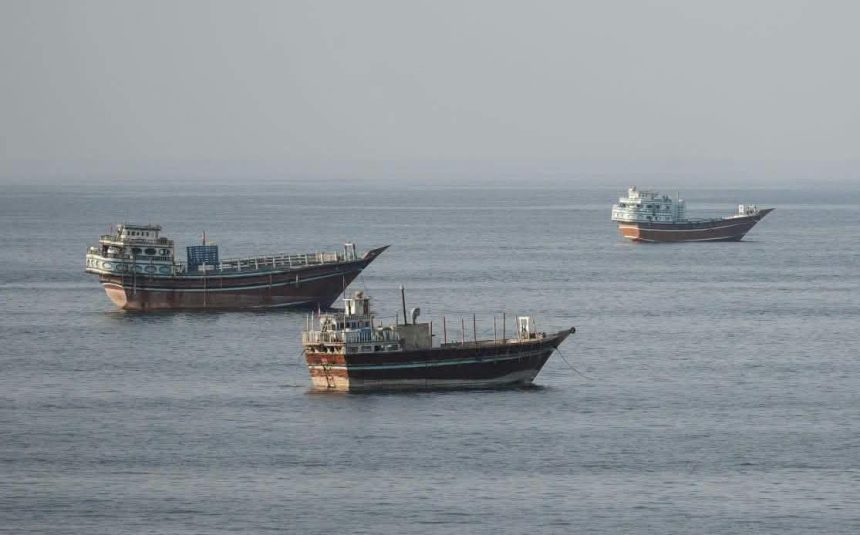
Iranian security official Mohsen Rezaei said on Sunday that Tehran would intensify efforts to disrupt the arrangement, which reportedly allows smaller vessels to transfer crude oil to larger tankers for shipment through routes near Oman.
Rezaei alleged that the United States Central Command, working with the UAE military, was supporting the operation to move oil through the strategic waterway.
He claimed Iranian forces had been targeting several vessels involved in the arrangement each night for weeks.
The allegations concerning the alleged US-UAE operation and the frequency of Iranian attacks have not been independently established.
The warning comes amid continuing military confrontation involving Iran, the United States and Israel, which has severely disrupted commercial shipping through the Strait of Hormuz since February.

Before the conflict, the waterway handled approximately one-fifth of global oil and gas flows, making it one of the world’s most important energy transportation routes.
Iran has maintained that restrictions on shipping will continue while Washington enforces its naval blockade against Iranian ports.
Rezaei also warned that American-linked digital infrastructure, including data centres and artificial intelligence facilities in the UAE and surrounding areas, could become targets if attacks on Iranian infrastructure continued.
He further accused Saudi Arabia of assisting American efforts to maintain regional oil shipments, although he did not announce a direct military threat against the kingdom.
Meanwhile, reports indicated that several commercial vessels were targeted between Sunday and Monday, including tankers travelling through the southern shipping corridor and another vessel near Oman’s port city of Sohar.
Iran’s Islamic Revolutionary Guard Corps also claimed that three tankers sustained significant damage after encountering naval mines over the weekend.
Independent sources have not confirmed the precise circumstances of those incidents or the extent of the damage.
Maritime intelligence firm Windward reported that at least 15 vessels were believed to have been targeted in October, reflecting growing security concerns along regional shipping routes.
According to the firm’s figures, an average of 31 vessels passed through the Strait of Hormuz daily during the final week of September, compared with approximately 138 before the war.
The decline illustrates the disruption facing international shipping companies as security threats, higher insurance costs and logistical difficulties affect the movement of energy supplies.
Windward also reported that freight expenses had risen substantially, accounting for an estimated 25 to 30 per cent of Gulf crude oil costs, compared with approximately one to three per cent before the conflict.
The company attributed the increase partly to a shortage of tankers willing to operate in the affected waters and the additional costs associated with transferring oil between vessels.
Maritime analyst Michelle Wiese Bockmann said the alternative shipping arrangement helped Gulf energy producers maintain access to ports but increasingly exposed them to attacks.
She explained that vessels operating through the southern corridor were exercising internationally recognised transit rights, with Oman facilitating passage and American military assistance reportedly supporting shipping operations.

Iranian officials, however, insist that Tehran must retain a decisive role in arrangements governing passage through the strait.
The latest threats come as diplomatic efforts to resolve the conflict remain uncertain.
Tehran has indicated that any comprehensive agreement to reopen the Strait of Hormuz would depend on Washington meeting its stated conditions, including measures addressing American military operations and restrictions on Iranian trade.
With commercial vessels continuing to face security threats, the confrontation is placing additional pressure on Gulf energy producers, international shipping companies and global oil markets.