RismadarVoice Reporters
October 12, 2026
Iran has threatened further attacks on oil tankers operating along an alternative shipping corridor near the Strait of Hormuz, accusing the United States and the United Arab Emirates of supporting an operation designed to maintain Gulf oil exports despite the ongoing conflict.
Iranian security official Mohsen Rezaei alleged on Sunday that the United States Central Command, with assistance from UAE military authorities, was facilitating the movement of crude oil through a network of smaller vessels and larger tankers.
Rezaei claimed Iranian forces had repeatedly targeted vessels participating in the operation, including several ships each night over recent weeks. The claims have not been independently verified.

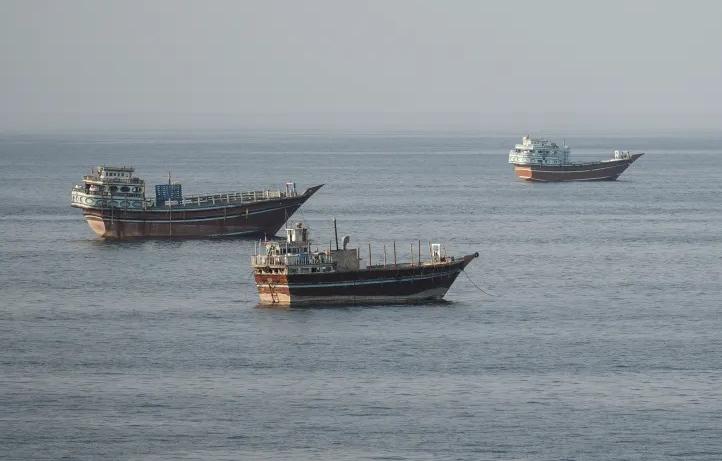
The reported operation involves smaller vessels transporting crude oil from Gulf ports to transfer points near Oman, where shipments are transferred to larger tankers for onward delivery.
The arrangement has reportedly helped some Gulf exporters maintain oil shipments despite heightened security risks and restrictions affecting commercial navigation through the Strait of Hormuz.
Rezaei warned that vessels involved in the operation could face additional attacks as long as Washington maintained its blockade of Iranian ports.
He also threatened American-linked digital infrastructure in the region, including undersea communications cables, data centres and artificial intelligence facilities.
The Iranian official further accused Saudi Arabia of assisting efforts to transport crude oil through alternative routes.
There was no independently verified evidence in the supplied accounts establishing the extent of the alleged military involvement by the UAE or Saudi Arabia.
Meanwhile, several commercial vessels were reportedly attacked between Sunday night and Monday, including tankers operating near the southern shipping corridor and a vessel anchored close to Sohar, Oman.
Iran’s Islamic Revolutionary Guard Corps also claimed that naval mines had damaged three tankers over the weekend. Independent confirmation of the reported damage and its cause was not available.
The escalating threats have increased concerns about maritime security in the Strait of Hormuz, a major international route for crude oil, petroleum products and liquefied natural gas.
Maritime intelligence estimates cited in the reports indicate that vessel movements through the strait have declined substantially since the conflict began.

An average of 31 vessels reportedly crossed the waterway daily during the final week of September, compared with approximately 138 before the war.
Shipping costs have also increased sharply, reflecting heightened security risks, insurance expenses and reduced willingness among tanker operators to enter the affected waters.
Industry estimates suggest freight expenses now account for approximately 25 to 30 per cent of the cost of transporting some Gulf crude shipments, compared with substantially lower levels before the conflict.
Some regional oil exporters have reportedly offered significant price discounts to attract buyers despite the additional transportation risks.
Maritime analysts have warned that attacks on alternative shipping routes could further constrain Gulf oil exports, increase delivery costs and place additional pressure on international energy markets.
The latest threats come amid continuing diplomatic efforts to reduce tensions between Washington and Tehran, although no comprehensive agreement has been announced to restore unrestricted commercial navigation through the Strait of Hormuz.